Idempotent actions
Repeated events do not create duplicate orders, messages, records, or payments.
Connect events, rules, systems, documents, AI-assisted decisions, approvals, exceptions, and operational evidence into a workflow that people can supervise.
Automate repetitive decisions and handoffs while preserving visibility and control.
Automation should remove repetitive coordination without concealing responsibility. We begin with the actual value stream: triggers, decisions, systems, wait states, rework, approvals, exceptions, and the evidence people need to trust an outcome.
Deterministic rules handle stable decisions; AI assists with variable content or classification; people retain authority for exceptions and consequential choices. Every step remains observable and recoverable.
Events move through rules and system actions, while uncertain or high-impact decisions pause for human review.
A form, message, document, schedule, status, or system change starts the flow.
Validate inputs, retrieve context, classify work, and select the permitted path.
People review ambiguity, policy exceptions, financial impact, or sensitive decisions.
Update systems, notify owners, record outcomes, and expose operational status.
Reliable workflows make retries, duplicates, partial failure, manual intervention, and ownership visible.
Repeated events do not create duplicate orders, messages, records, or payments.
Back-pressure, retry policy, dead letters, and replay protect dependent systems.
Exceptions include context, priority, decision options, and a clear accountable role.
Throughput, wait time, failure, rework, ownership, and business outcome are measurable.
Choose one high-friction path, include its exceptions, and prove operation before expanding across departments.
Map triggers, roles, systems, decisions, waits, rework, exceptions, and outcome evidence.
Separate deterministic rules, AI-assisted work, and decisions that remain human.
Implement one end-to-end path with identity, integrations, state, and audit.
Test duplicates, timeouts, unavailable systems, invalid data, retries, and manual recovery.
Measure cycle time, exceptions, rework, effort, and realised business value.
The goal is faster, more reliable business movement with less rework and clearer exception handling.
Elapsed time from trigger to accepted business outcome.
Cases that repeat steps or return because information or decisions were incomplete.
Volume, age, reason, ownership, and resolution of non-standard cases.
Manual touches are reserved for judgement rather than copying and coordination.
Rules, integration services, application code, APIs, queues, and reporting support dependable movement and recovery.
Answers about grounding, control, evaluation, workflow adoption, safety, and accountable operation.
Data sensitivity, user expectations, regulation, error consequence, and human review differ across industries and workflows.
Verified projects whose domain or technology is relevant to this page.

Intelligent document workflow for extraction, classification, review and integration with business systems.

Context-aware support assistant that answers customer questions, summarizes conversations and routes complex requests to the right team.

Machine learning platform that identifies trends, forecasts business outcomes and turns operational data into actionable recommendations.
Strong delivery starts with the business constraint, not a preferred tool. We clarify what is slowing growth, increasing risk, or creating unnecessary work before proposing a solution.
Competing requirements make it difficult to define the smallest valuable and defensible next step.
Manual handoffs and fragmented systems slow teams down and make reliable information harder to find.
Legacy constraints, security gaps, and weak release practices turn necessary change into a business concern.
Investment fails to create value when adoption, ownership, support, and measurable outcomes are considered too late.
We translate priorities, users, workflows, integrations, and constraints into a delivery plan that creates value early and remains maintainable as needs evolve.
The engagement is designed to improve outcomes your team can see, measure, and sustain.
Reduce delivery risk with a clear, collaborative workflow automation roadmap.
Improve operational efficiency through thoughtful automation and integration.
Create a secure, maintainable foundation that can evolve with the business.
Gain transparent delivery visibility and dependable long-term technical support.
Explore examples of how we turn complex requirements into dependable, usable digital products.
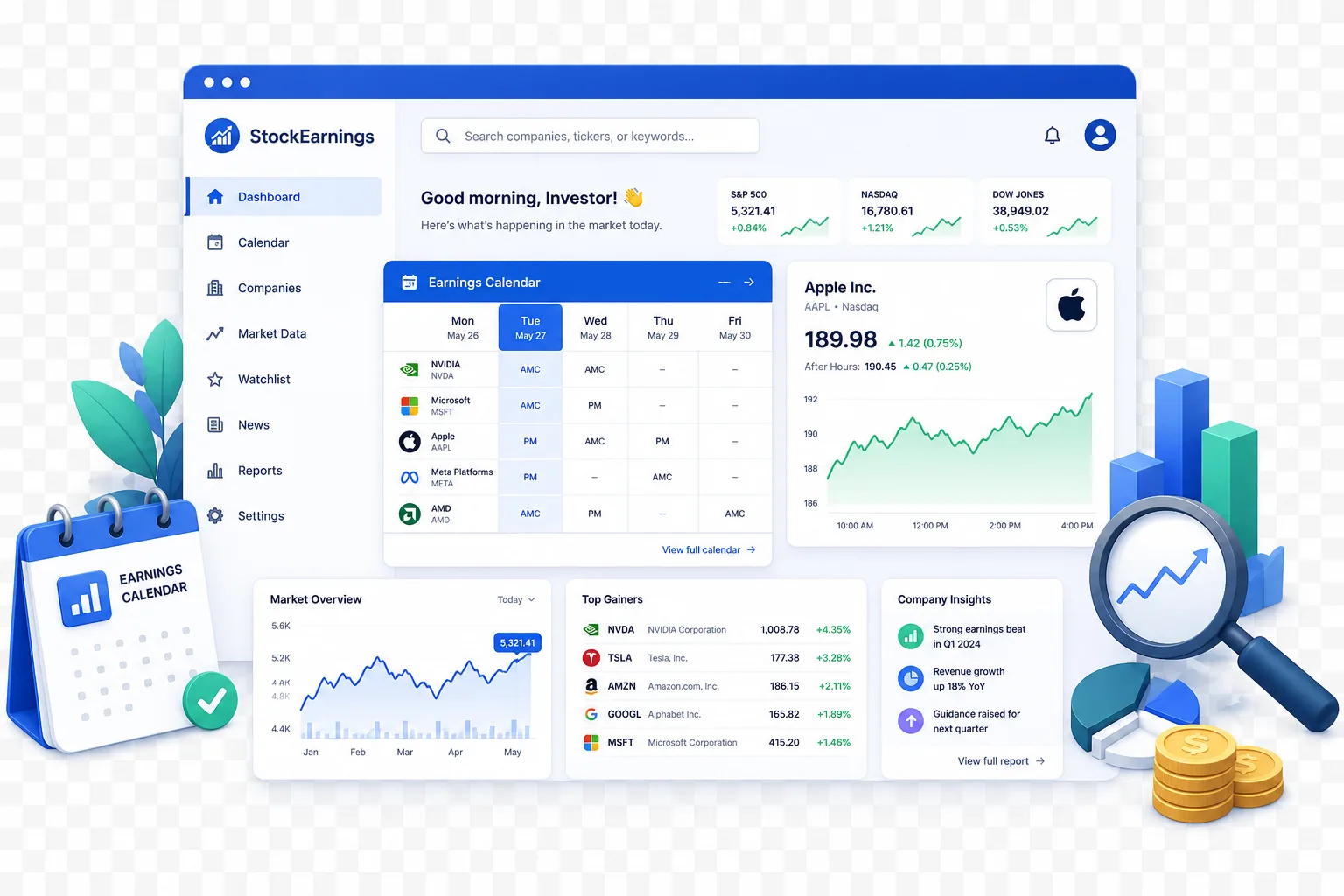
A data-rich financial product that makes market research faster and easier to act on.
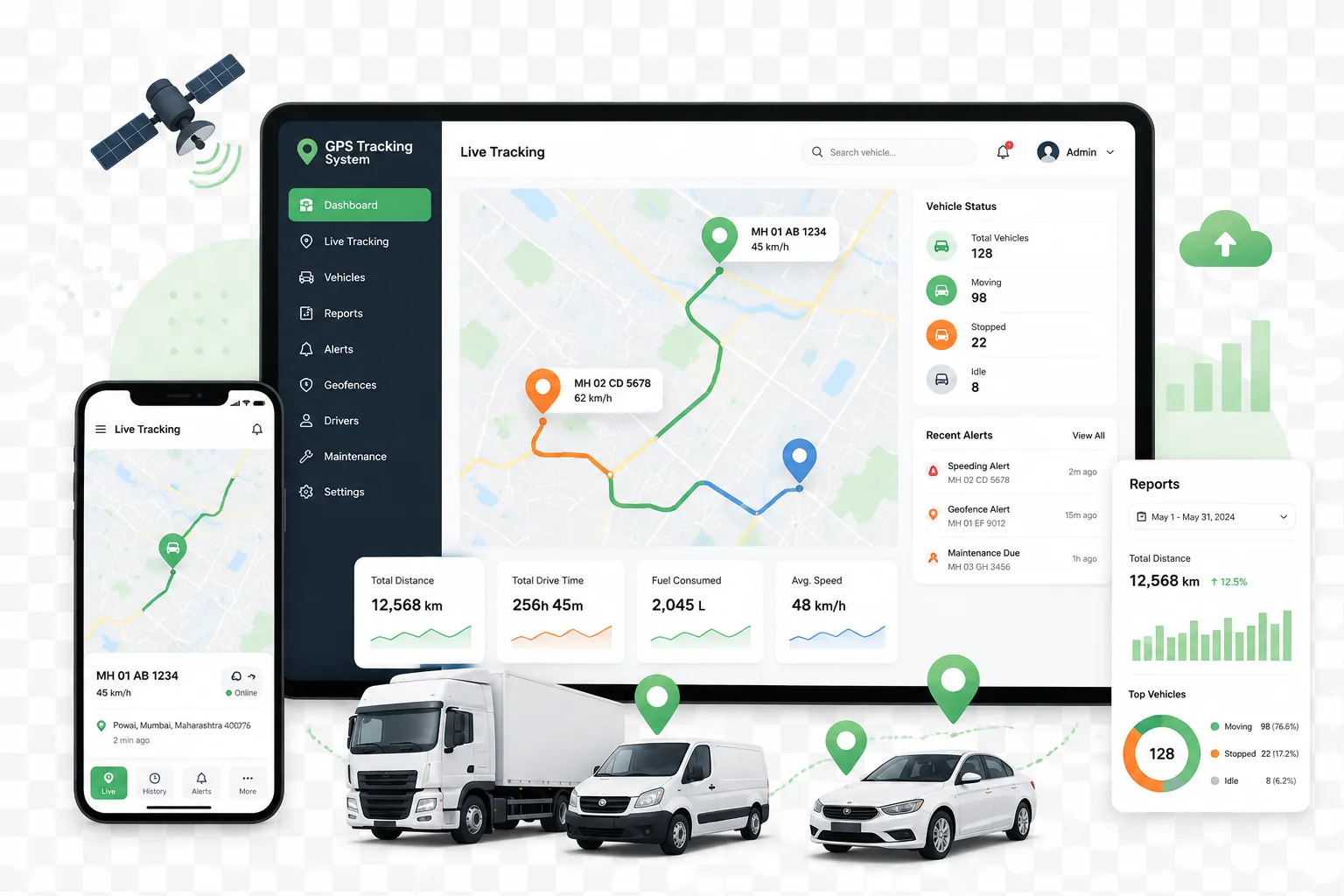
A live operations platform for fleet visibility, reporting, and day-to-day control.
Combine complementary services when the outcome spans product, platform, cloud, automation, or team capability.
Bring a workflow with its real handoffs, systems, delays, exceptions, and owners. We will map the smallest end-to-end automation slice.