Operations portals
Cases, approvals, scheduling, assets, and service delivery.
Design APIs, identity, business rules, integrations, and data access as one observable backend—not a collection of controllers.
Business systems where secure transactions, integration, and operational traceability matter.
Cases, approvals, scheduling, assets, and service delivery.
Controlled transactions and data exchange with external organizations.
Orders, subscriptions, payments, inventory, and fulfillment.
Stable APIs and new workflows around established systems.
Requests pass through explicit security and application boundaries before reaching domain rules and infrastructure.
Contracts, policy, application logic, data access, and telemetry stay explicit so the platform can evolve without hiding risk.
Define consumers, resources, errors, security, and compatibility expectations.
Keep transport, application rules, and infrastructure concerns separated.
Test behavior, authorization, integration failures, and representative load.
Version, document, deploy, and make operational ownership explicit.
Monitor health, latency, errors, dependency behavior, and usage patterns.
API, identity, policy, application services, integrations, and operations form one maintainable backend boundary.
Bounded use cases, validation, domain rules, and testable dependencies.
OpenID Connect, claims, roles, resource authorization, and audit.
Versioning, validation, rate control, resilience, and observability.
Transactions, migrations, concurrency, performance, and reporting boundaries.
The interface model should follow interaction needs, team boundaries, SEO, and deployment constraints.
Server-rendered web:Form and content-oriented journeys
API with rich client:Highly interactive application state
Server-rendered web:One deployable application
API with rich client:Independent frontend and API delivery
Server-rendered web:Lower client-state overhead
API with rich client:More client architecture and API coordination
Server-rendered web:Portals, administration, line-of-business
API with rich client:Product interfaces and multiple API consumers
Quality is enforced through policy, contracts, dependency boundaries, telemetry, and repeatable releases.
Async I/O, bounded data queries, caching, and measured optimization.
Validation, policy authorization, secrets handling, and dependency review.
Structured logs, traces, metrics, health checks, and actionable alerts.
Configuration separation, automated releases, migration controls, and rollback plans.
A stable ASP.NET API coordinates the transaction, records an auditable decision, and exposes failure context without leaking internal implementation.
Framework, identity, persistence, messaging, observability, and hosting choices are governed as one service lifecycle.
Questions about application shape, API compatibility, enterprise integration, and measured performance.
Strong delivery starts with the business constraint, not a preferred tool. We clarify what is slowing growth, increasing risk, or creating unnecessary work before proposing a solution.
Competing requirements make it difficult to define the smallest valuable and defensible next step.
Manual handoffs and fragmented systems slow teams down and make reliable information harder to find.
Legacy constraints, security gaps, and weak release practices turn necessary change into a business concern.
Investment fails to create value when adoption, ownership, support, and measurable outcomes are considered too late.
We translate priorities, users, workflows, integrations, and constraints into a delivery plan that creates value early and remains maintainable as needs evolve.
The engagement is designed to improve outcomes your team can see, measure, and sustain.
Reduce delivery risk with a clear, collaborative asp.net development roadmap.
Improve operational efficiency through thoughtful automation and integration.
Create a secure, maintainable foundation that can evolve with the business.
Gain transparent delivery visibility and dependable long-term technical support.
Explore examples of how we turn complex requirements into dependable, usable digital products.
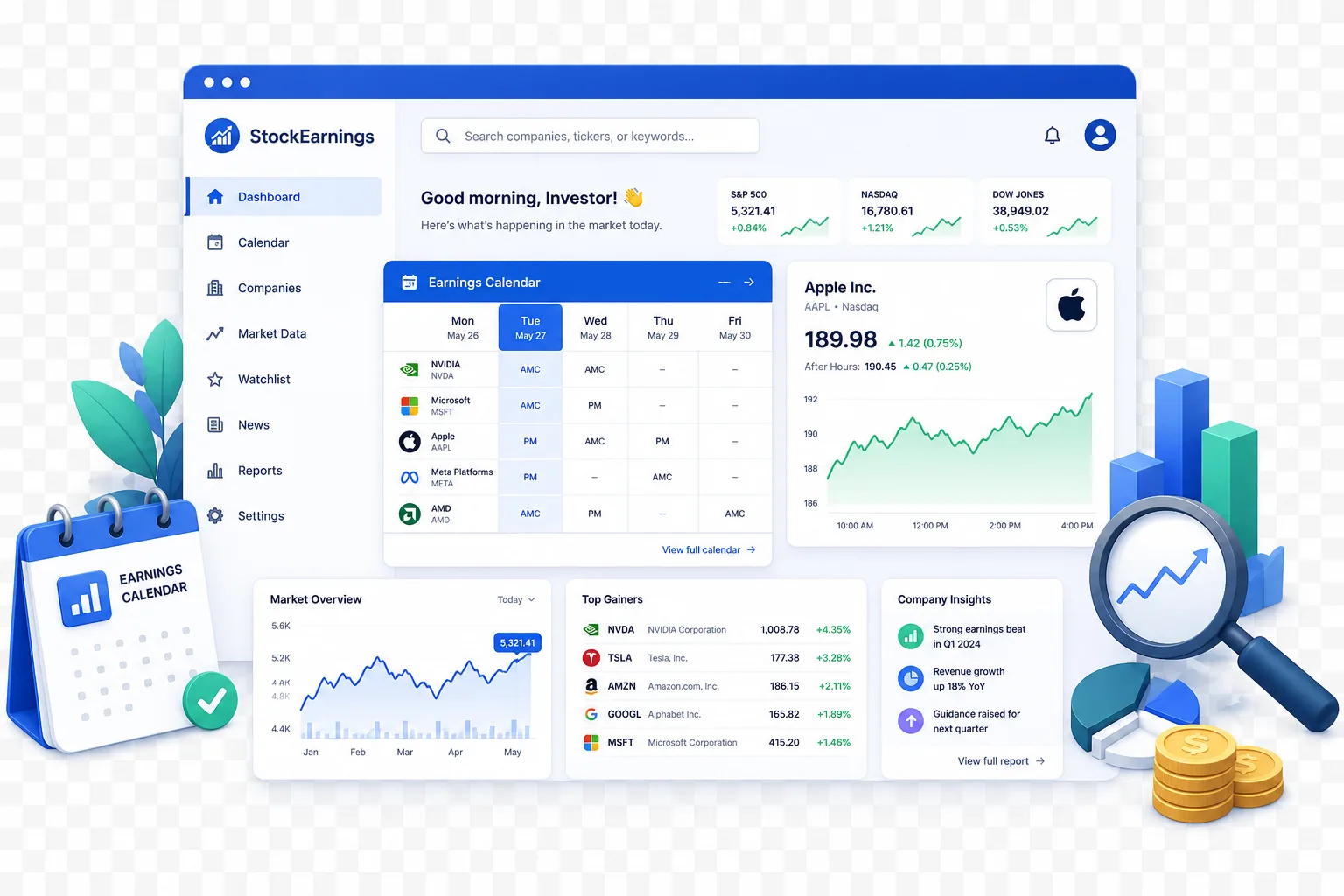
A data-rich financial product that makes market research faster and easier to act on.
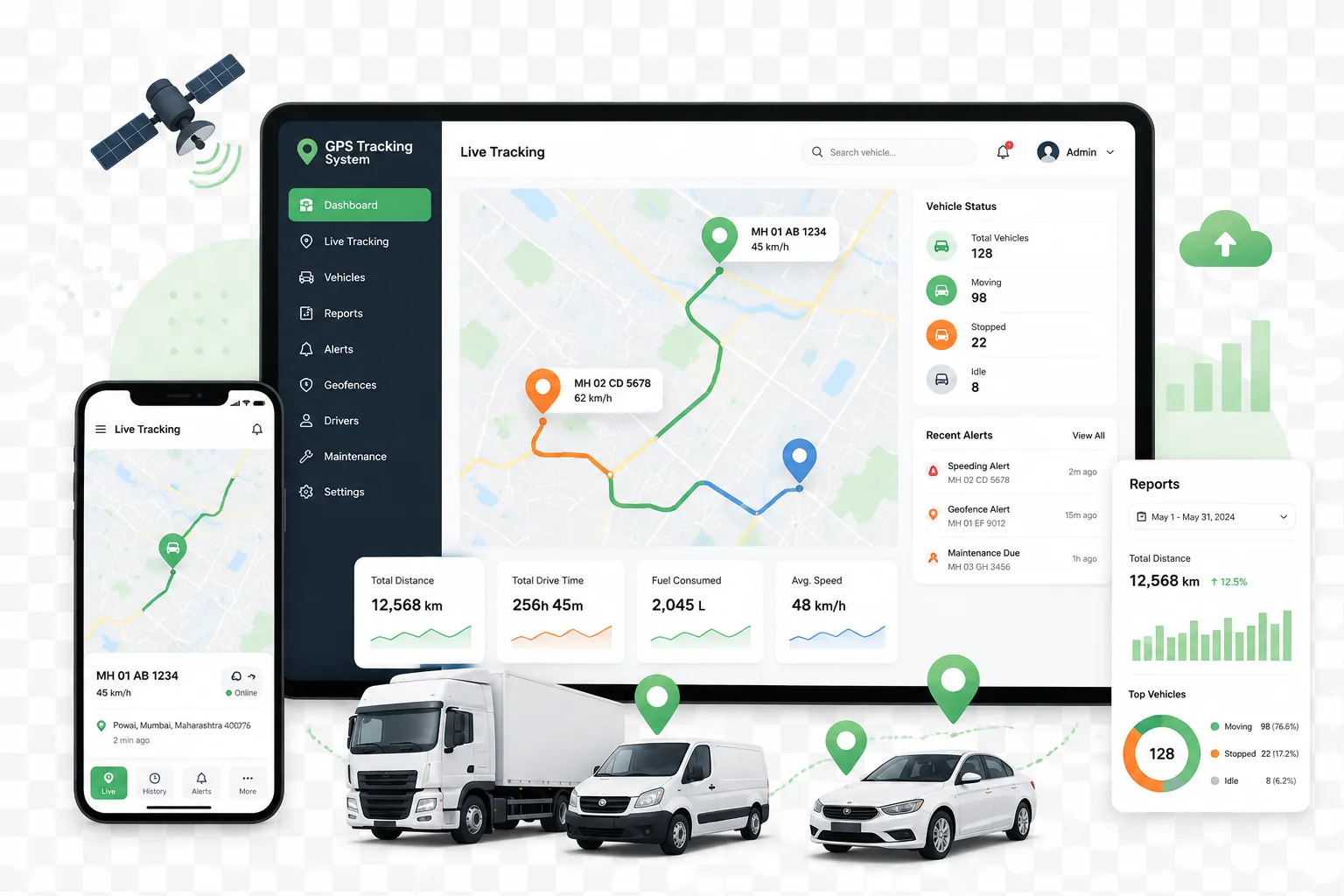
A live operations platform for fleet visibility, reporting, and day-to-day control.
Combine complementary services when the outcome spans product, platform, cloud, automation, or team capability.
Bring the workflows, consumers, identity model, and integration constraints. We will shape the simplest dependable .NET boundary.