Structured contracts
Typed inputs and outputs reduce ambiguity and keep validation outside free-form text.
Embed model reasoning, structured generation, retrieval, and tool orchestration into existing products while your application retains identity, policy, data, and outcome control.
The product prepares trusted context, selects permitted tools, validates structured output, and commits only accepted outcomes.
Identity, workflow state, permissions, user intent, and relevant application data.
Prompt assets, model routing, retrieval, tool policy, retries, and execution state.
Search, calculation, document, CRM, ERP, ticketing, or domain services through typed contracts.
Schema checks, business rules, user confirmation, persistence, and traceable result.
Practical generative AI capabilities embedded safely into existing products and operations.
OpenAI integration creates value when a model improves a specific decision or production step inside a known workflow. The surrounding application must still own permissions, source data, validations, transactions, and the final user experience.
We design model selection, context construction, structured outputs, function calls, failure handling, evaluation, observability, and cost controls as one product capability—not a chain of fragile prompts.
The model proposes; deterministic application boundaries decide what can be read, invoked, shown, or committed.
Typed inputs and outputs reduce ambiguity and keep validation outside free-form text.
The application exposes only permitted operations with identity, authorization, and input checks.
Timeouts, invalid output, unavailable tools, partial work, and model errors have explicit recovery paths.
Version, tokens, latency, tool sequence, evaluation, and business outcome are correlated.
Evaluation combines model quality with deterministic correctness, user effort, latency, cost, and downstream impact.
Outputs satisfy the contract before business logic uses them.
Representative cases confirm the capability completes the intended work.
People can review, edit, reject, and understand consequential results.
Time saved and quality gained justify model, search, and orchestration cost.
Validate the workflow and control boundary before expanding tool access or autonomous behaviour.
Select a workflow step with measurable value, known users, and an accountable owner.
Define sources, permissions, input/output schemas, tools, rules, and user review.
Build one end-to-end path through the existing product and supporting services.
Test quality, security, injection, failure, latency, cost, and model changes.
Release gradually, observe outcomes, maintain prompt assets, and govern change.
The API, orchestration layer, search, domain services, schemas, and observability preserve application authority.
Answers about grounding, control, evaluation, workflow adoption, safety, and accountable operation.
Data sensitivity, user expectations, regulation, error consequence, and human review differ across industries and workflows.
Strong delivery starts with the business constraint, not a preferred tool. We clarify what is slowing growth, increasing risk, or creating unnecessary work before proposing a solution.
Competing requirements make it difficult to define the smallest valuable and defensible next step.
Manual handoffs and fragmented systems slow teams down and make reliable information harder to find.
Legacy constraints, security gaps, and weak release practices turn necessary change into a business concern.
Investment fails to create value when adoption, ownership, support, and measurable outcomes are considered too late.
We translate priorities, users, workflows, integrations, and constraints into a delivery plan that creates value early and remains maintainable as needs evolve.
The engagement is designed to improve outcomes your team can see, measure, and sustain.
Reduce delivery risk with a clear, collaborative openai integration roadmap.
Improve operational efficiency through thoughtful automation and integration.
Create a secure, maintainable foundation that can evolve with the business.
Gain transparent delivery visibility and dependable long-term technical support.
Explore examples of how we turn complex requirements into dependable, usable digital products.
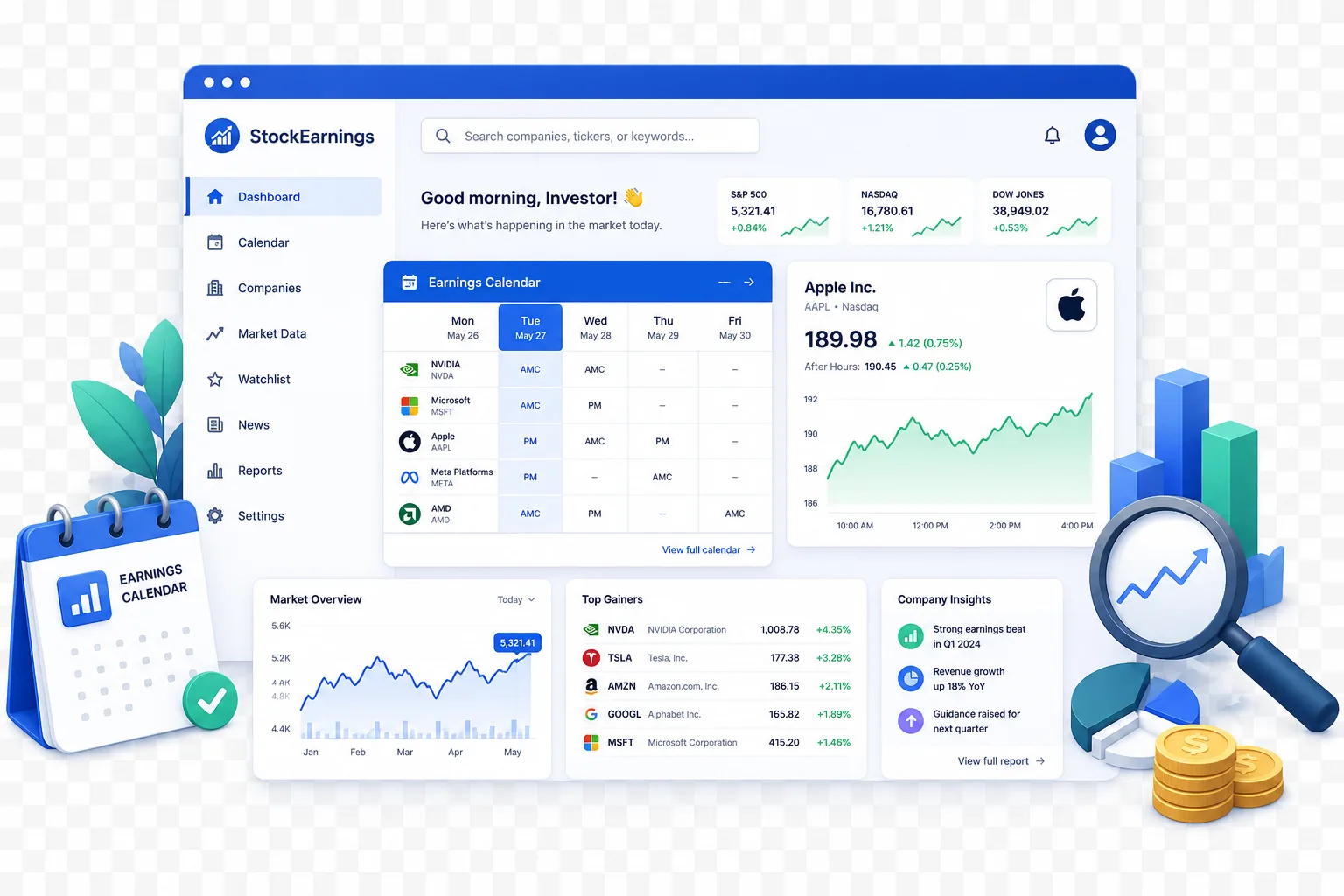
A data-rich financial product that makes market research faster and easier to act on.
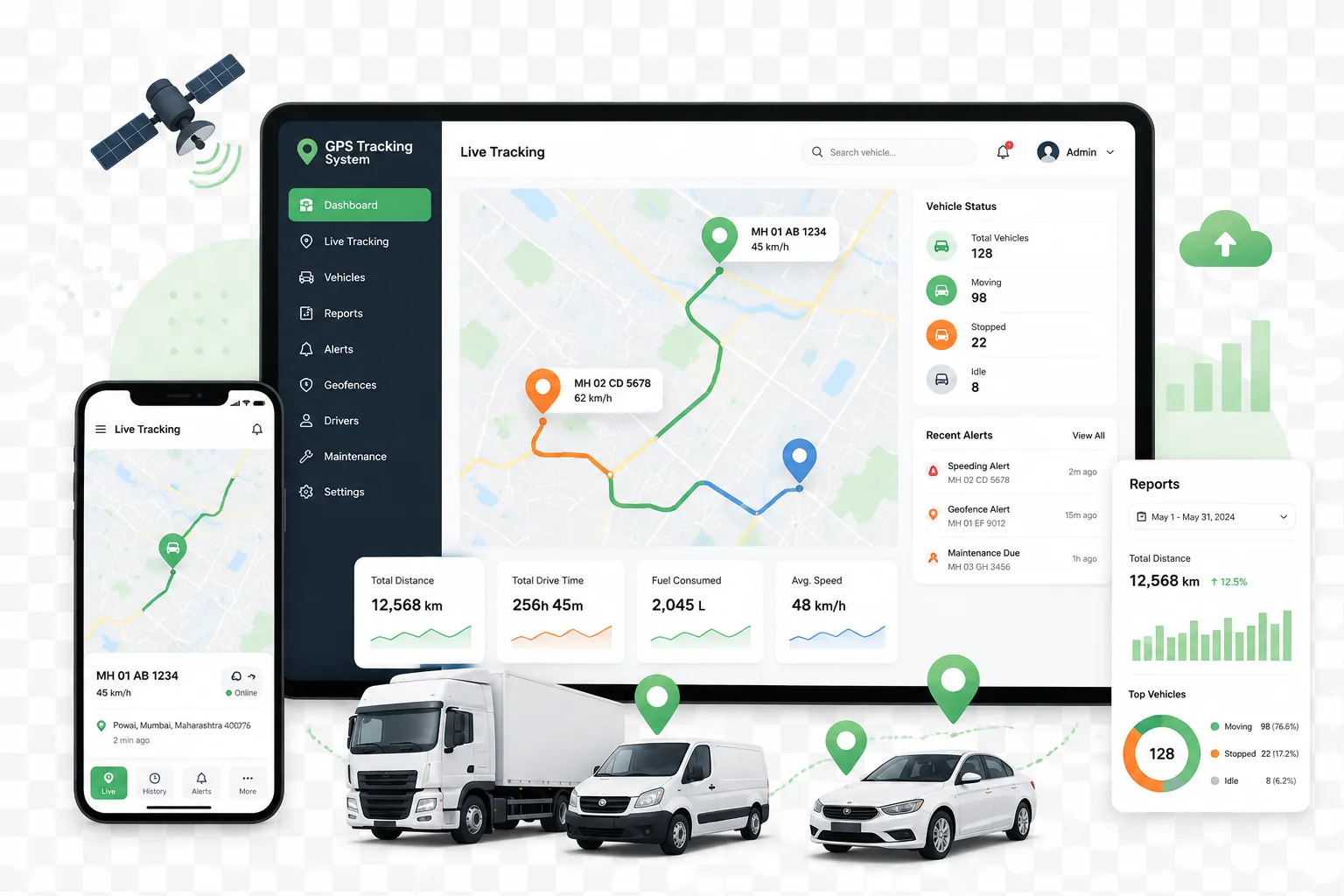
A live operations platform for fleet visibility, reporting, and day-to-day control.
Combine complementary services when the outcome spans product, platform, cloud, automation, or team capability.
Bring the current workflow, users, data sources, application boundaries, and success measure. We will define a controlled integration slice.