Defined gap
The responsibility, expected outcome, constraints, and duration are explicit.
Add a specialist who enters through a defined responsibility, integrates with your engineering system, transfers knowledge, and leaves the team stronger—not dependent.
Add proven specialists to close capability gaps and accelerate important initiatives.
Staff augmentation works when the missing capability is specific: a platform skill, delivery role, modernisation experience, quality discipline, or temporary capacity constraint tied to a real outcome.
We clarify the responsibility and interfaces before matching experience. The specialist joins the existing team, works in its tools and ceremonies, documents decisions, and contributes to sustainable internal capability.
Technical keywords are only one part of fit; seniority, autonomy, communication, domain ambiguity, and delivery environment also matter.
Relevant engineering experience at the architecture and operational level required.
Ability to work across dependencies, integrations, legacy boundaries, and team ownership.
Clear communication, feedback, pairing, documentation, and decision behaviour.
The role can operate with the available direction, access, and technical leadership.
Move quickly without skipping the role clarity that makes onboarding and knowledge transfer effective.
Describe the outcome, missing capability, interfaces, constraints, duration, and support available.
Agree must-have evidence, seniority, autonomy, collaboration, and evaluation criteria.
Review relevant experience and discuss a representative technical or delivery situation.
Connect the specialist to context, people, systems, standards, and an initial result.
Share knowledge continuously and plan extension, replacement, or clean completion.
Early feedback tests both contribution and team fit before assumptions become expensive.
Access, environment, contacts, objectives, and first work are prepared.
Architecture, standards, workflow, domain, and role interfaces are understood.
A first meaningful change demonstrates technical and collaboration fit.
Scope, support, capacity, knowledge transfer, and end conditions are reviewed.
Relevant experience is assessed at the depth, scale, lifecycle, and collaboration level the responsibility requires.
Straightforward answers about fit, ownership, communication, onboarding, continuity, and how the engagement can evolve.
Industry workflows, regulation, users, data, integrations, and support expectations shape the capability and seniority required.
Strong delivery starts with the business constraint, not a preferred tool. We clarify what is slowing growth, increasing risk, or creating unnecessary work before proposing a solution.
Competing requirements make it difficult to define the smallest valuable and defensible next step.
Manual handoffs and fragmented systems slow teams down and make reliable information harder to find.
Legacy constraints, security gaps, and weak release practices turn necessary change into a business concern.
Investment fails to create value when adoption, ownership, support, and measurable outcomes are considered too late.
We translate priorities, users, workflows, integrations, and constraints into a delivery plan that creates value early and remains maintainable as needs evolve.
The engagement is designed to improve outcomes your team can see, measure, and sustain.
Reduce delivery risk with a clear, collaborative staff augmentation roadmap.
Improve operational efficiency through thoughtful automation and integration.
Create a secure, maintainable foundation that can evolve with the business.
Gain transparent delivery visibility and dependable long-term technical support.
Explore examples of how we turn complex requirements into dependable, usable digital products.
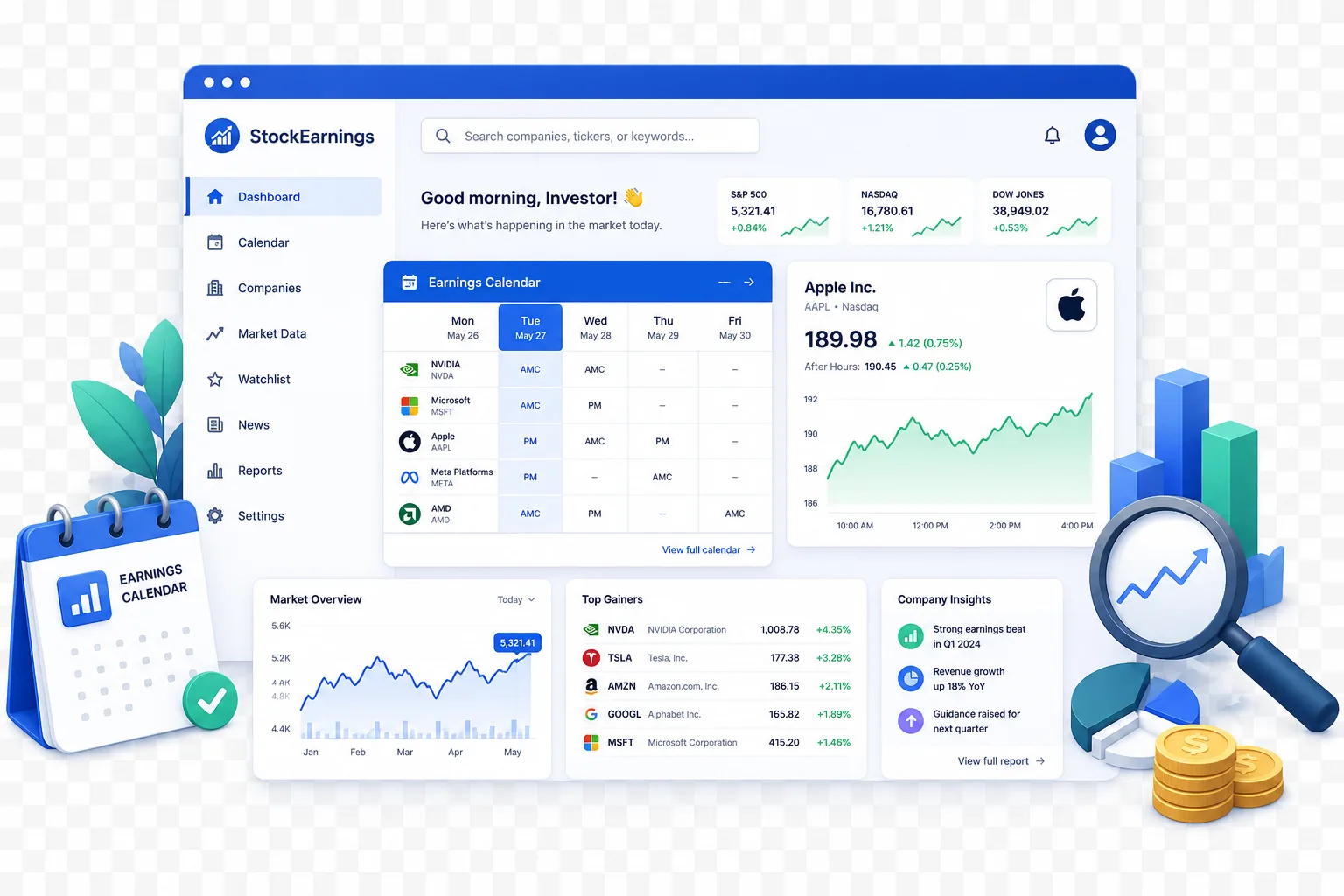
A data-rich financial product that makes market research faster and easier to act on.
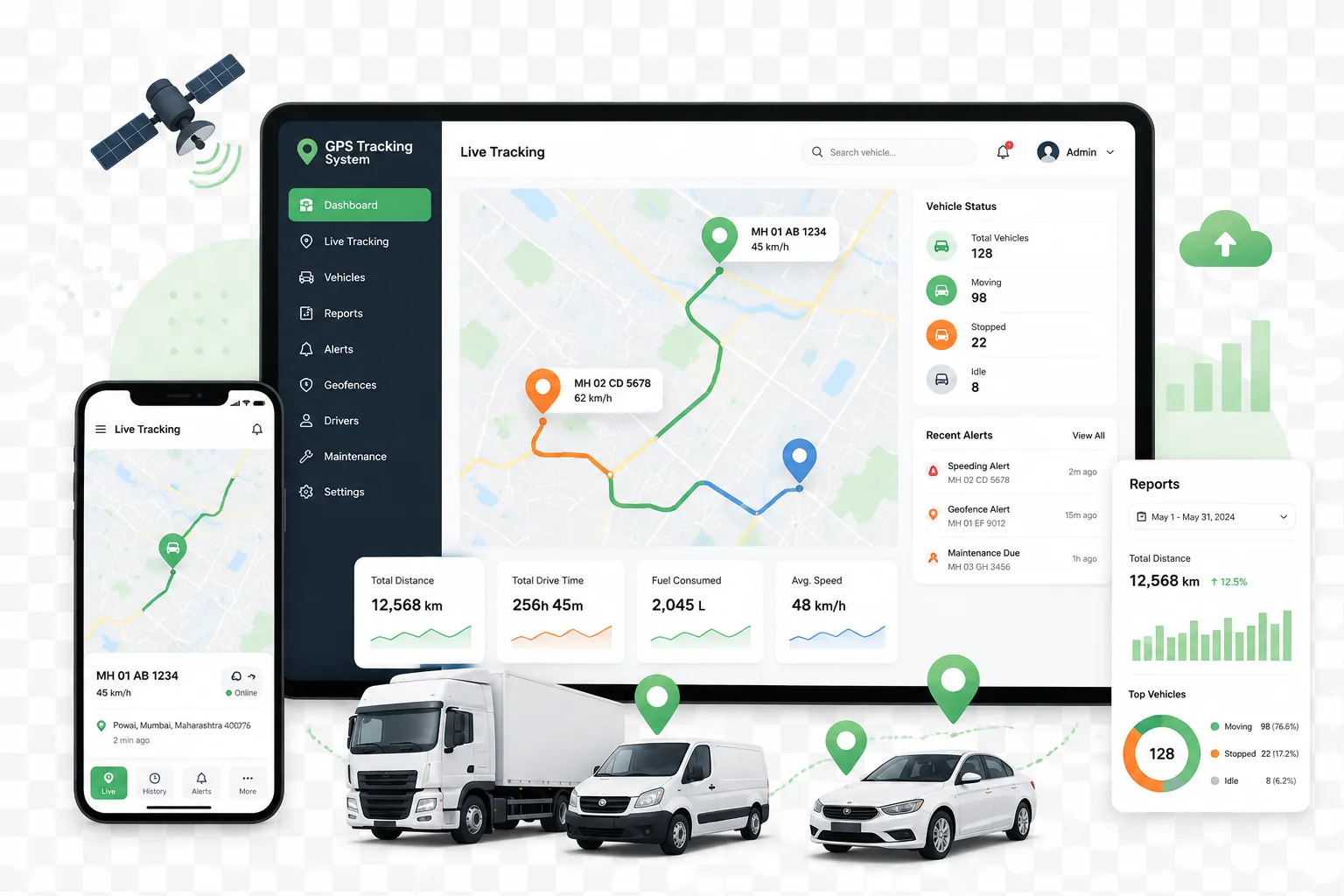
A live operations platform for fleet visibility, reporting, and day-to-day control.
Combine complementary services when the outcome spans product, platform, cloud, automation, or team capability.
Bring the outcome, current team, missing capability, platform context, working model, and expected duration. We will define the role scorecard.