System handoffs
Work crosses departments, platforms, and ownership boundaries.
Unify departments without forcing every team into one fragile application. Shared identity, governed integrations, and trusted data keep the enterprise moving together.
Enterprise delivery must account for ownership boundaries, long-running workflows, authorization, auditability, and gradual adoption—not only application screens.
Work crosses departments, platforms, and ownership boundaries.
Access depends on role, region, department, record state, and delegation.
Multiple sources claim authority over the same customer, order, or asset.
Approvals and exceptions may span days, teams, and external partners.
A governed service layer avoids fragile point-to-point coupling while allowing systems to evolve independently.
Shared capabilities connect specialist systems without hiding ownership, security policy, or operational responsibility.
Single sign-on, role policy, delegation, and auditable administration.
Stateful processes, approvals, exceptions, notifications, and service levels.
Stable APIs, adapters, messaging, synchronization, and failure recovery.
Consistent reporting, traceability, and decision-ready views.
Controls remain part of the architecture and operating model—not a review added at the end.
Permissions are explicit, reviewable, and scoped to business responsibility.
Important actions and state changes retain actor, time, and context.
Validation, secrets management, encryption, and dependency controls.
Health checks, traces, alerts, recovery procedures, and capacity planning.
A governed service layer coordinates department systems while each team retains the tools and responsibilities specific to its work.
Architecture, security, ownership, and adoption advance together—from one cross-department pilot to a governed platform roadmap.
Identify business capabilities, owners, systems, and critical dependencies.
Define authoritative data, service contracts, and security zones.
Prove one cross-department journey with real integration constraints.
Release by role, location, or business unit with adoption support.
Track service health, ownership, change controls, and product roadmap.
Integration choices should reflect change frequency, criticality, ownership, and recovery needs.
Direct connection:Consumers are tightly coupled
Governed service layer:Versioned contracts isolate change
Direct connection:Implemented separately per connection
Governed service layer:Shared retry, queueing, and monitoring patterns
Direct connection:Ownership can be unclear
Governed service layer:Service ownership and policy are explicit
Direct connection:Stable, low-risk connection
Governed service layer:Critical or evolving enterprise ecosystem
Cross-department scenarios where shared identity, governed handoffs, and trusted operational records matter.
Order, inventory, finance, and fulfillment across departments.
HR, scheduling, approvals, access, and employee self-service.
Secure onboarding, transactions, documents, and status visibility.
Controlled decisions, evidence, exceptions, and auditable reporting.
Technology decisions include support lifecycle, identity, integration policy, observability, deployment controls, and internal ownership.
Answers about phased adoption, department needs, role policy, system ownership, and long-term governance.
Strong delivery starts with the business constraint, not a preferred tool. We clarify what is slowing growth, increasing risk, or creating unnecessary work before proposing a solution.
Competing requirements make it difficult to define the smallest valuable and defensible next step.
Manual handoffs and fragmented systems slow teams down and make reliable information harder to find.
Legacy constraints, security gaps, and weak release practices turn necessary change into a business concern.
Investment fails to create value when adoption, ownership, support, and measurable outcomes are considered too late.
We translate priorities, users, workflows, integrations, and constraints into a delivery plan that creates value early and remains maintainable as needs evolve.
The engagement is designed to improve outcomes your team can see, measure, and sustain.
Reduce delivery risk with a clear, collaborative enterprise software development roadmap.
Improve operational efficiency through thoughtful automation and integration.
Create a secure, maintainable foundation that can evolve with the business.
Gain transparent delivery visibility and dependable long-term technical support.
Explore examples of how we turn complex requirements into dependable, usable digital products.
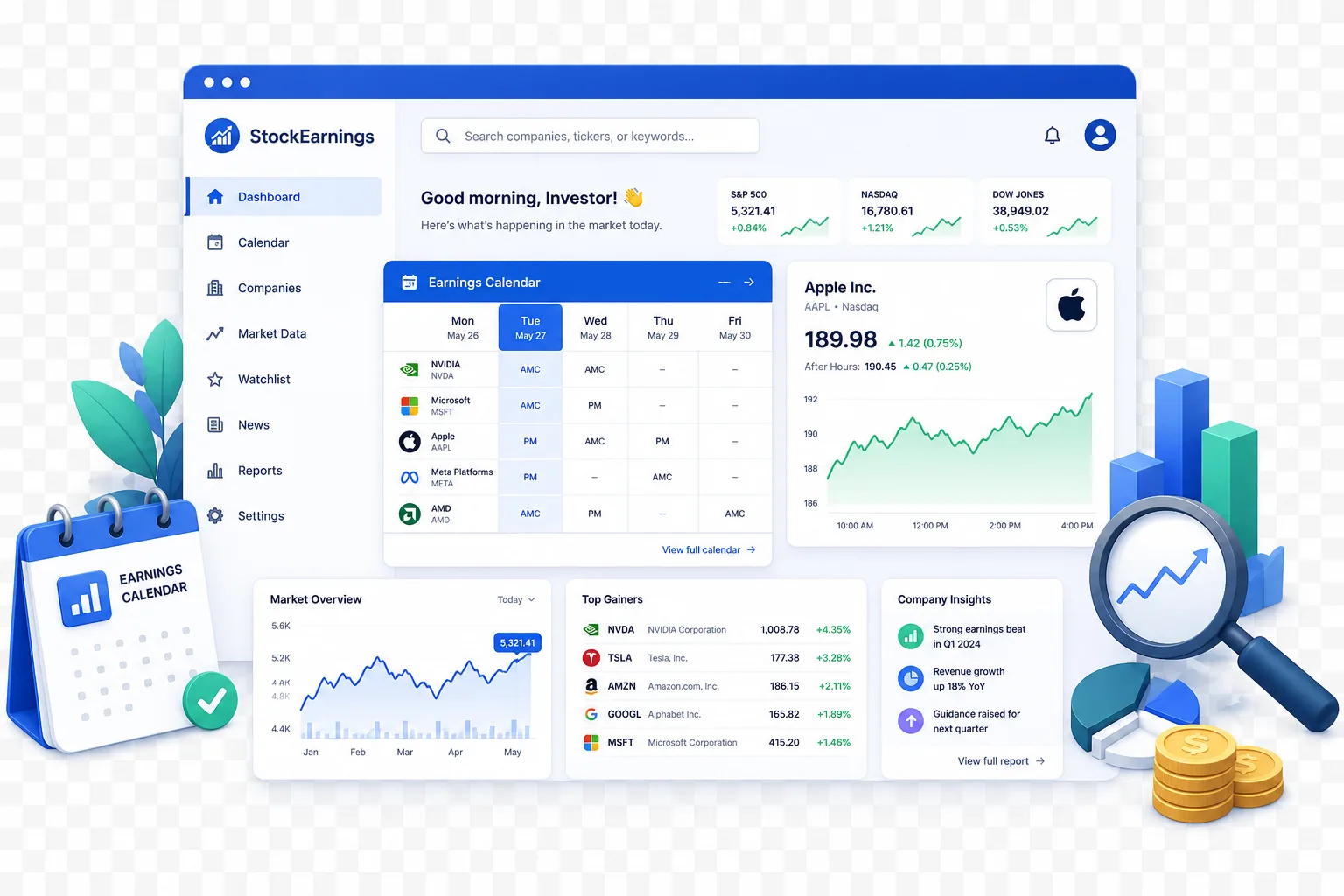
A data-rich financial product that makes market research faster and easier to act on.
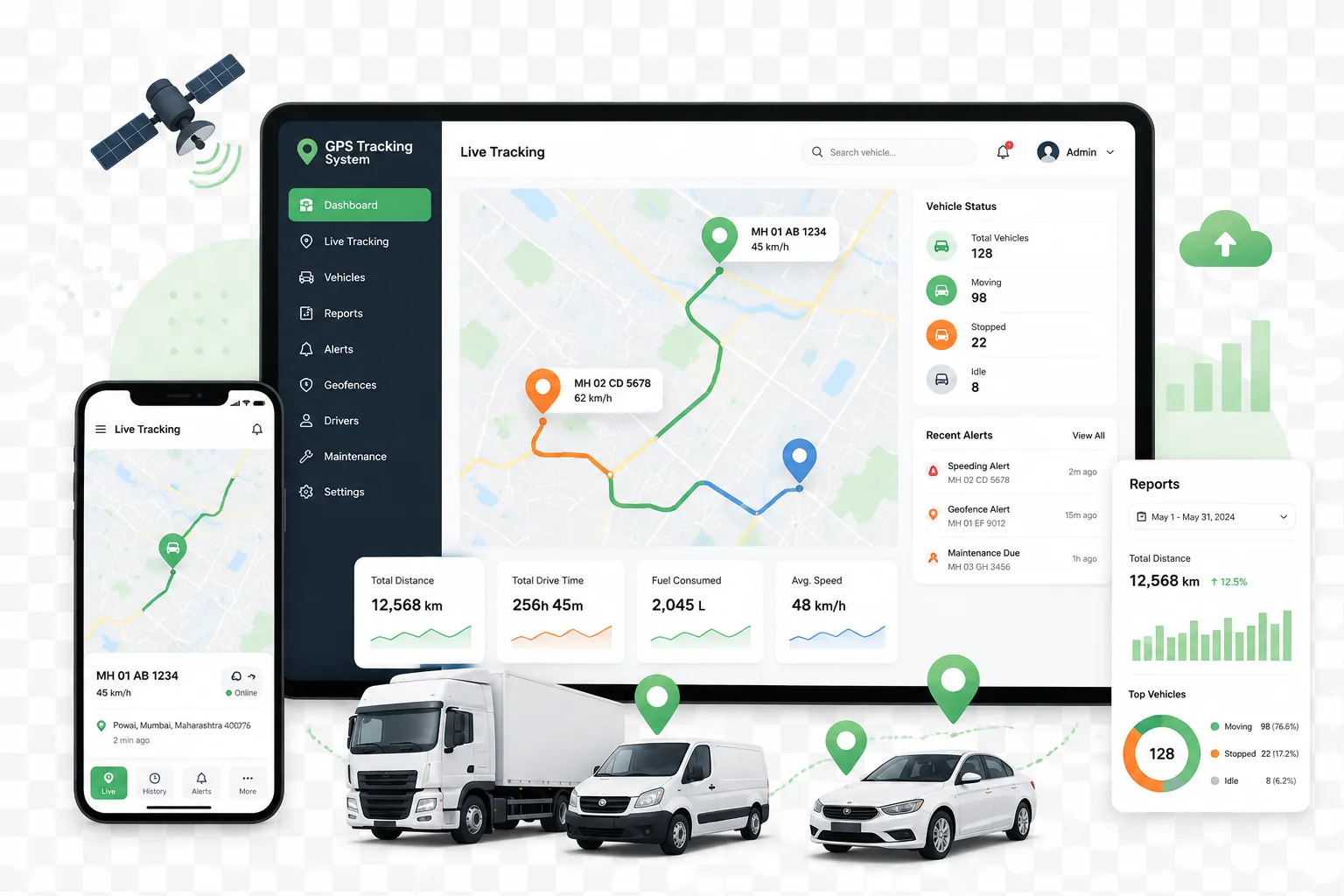
A live operations platform for fleet visibility, reporting, and day-to-day control.
Combine complementary services when the outcome spans product, platform, cloud, automation, or team capability.
We will map systems, ownership, access, and operational risk before recommending a platform boundary.