Tenant administration
Provisioning, configuration, domains, users, roles, and lifecycle controls.
Build the smallest product that proves value, then evolve onboarding, tenancy, plans, analytics, and operations from evidence—not assumption.
Each release should improve activation, repeat usage, product operations, or the platform's ability to support the next tenant safely.
Confirm the job, current alternative, urgency, and buyer context.
Define one valuable end-to-end journey and its operational support.
Observe onboarding, usage, questions, and failure points.
Automate tenant, plan, support, release, and monitoring workflows.
Expand roles, integrations, packaging, and capacity from evidence.
Customer experience and product operations evolve together—from tenant setup and onboarding to plans, support, and safe releases.
Provisioning, configuration, domains, users, roles, and lifecycle controls.
Guided setup, imports, invitations, progress, and contextual support.
Trials, plan rules, usage limits, billing events, and account states.
Feature rollout, audit, support tools, usage signals, and service health.
Signals connect product decisions to adoption, support demand, and service reliability.
Can a new tenant reach the intended first outcome?
Which workflows become part of regular operations?
Where do users require clarification or manual intervention?
Are reliability and response times supporting the product experience?
A focused operational workflow launches first. Tenant setup, entitlements, support tooling, and usage signals are automated only as demand becomes repeatable.
Tenant context is enforced across identity, application services, data access, background work, and observability.
Early architecture should protect irreversible boundaries without implementing every future capability.
MVP priority:One validated end-to-end journey
Scale priority:Expanded roles, workflows, and integrations
MVP priority:Assisted onboarding is acceptable
Scale priority:Repeatable self-service operations
MVP priority:Simple with protected tenant boundaries
Scale priority:Capacity, isolation, and rollout controls
MVP priority:Evidence of adoption and value
Scale priority:Evidence of repeatability and constraints
The product must serve end users while giving operators reliable ways to onboard tenants, manage plans, support customers, understand usage, and release safely.
Users must reach a meaningful first outcome without heavy manual assistance.
Data, configuration, identity, and workloads require explicit boundaries.
Plans, trials, entitlements, billing events, and exceptions must stay consistent.
Teams need responsible signals about adoption, friction, reliability, and support.
Digital products where customer value and repeatable tenant operations must grow together.
Cases, approvals, projects, field work, and compliance.
Reporting, monitoring, benchmarking, and decision support.
Industry-specific operations and customer experiences.
Connected data, automation, synchronization, and partner services.
Early choices protect identity and data boundaries; later choices respond to real capacity, isolation, and operational evidence.
Answers about MVP boundaries, multi-tenancy, billing, evidence, and investing ahead of product proof.
Strong delivery starts with the business constraint, not a preferred tool. We clarify what is slowing growth, increasing risk, or creating unnecessary work before proposing a solution.
Competing requirements make it difficult to define the smallest valuable and defensible next step.
Manual handoffs and fragmented systems slow teams down and make reliable information harder to find.
Legacy constraints, security gaps, and weak release practices turn necessary change into a business concern.
Investment fails to create value when adoption, ownership, support, and measurable outcomes are considered too late.
We translate priorities, users, workflows, integrations, and constraints into a delivery plan that creates value early and remains maintainable as needs evolve.
The engagement is designed to improve outcomes your team can see, measure, and sustain.
Reduce delivery risk with a clear, collaborative saas product development roadmap.
Improve operational efficiency through thoughtful automation and integration.
Create a secure, maintainable foundation that can evolve with the business.
Gain transparent delivery visibility and dependable long-term technical support.
Explore examples of how we turn complex requirements into dependable, usable digital products.
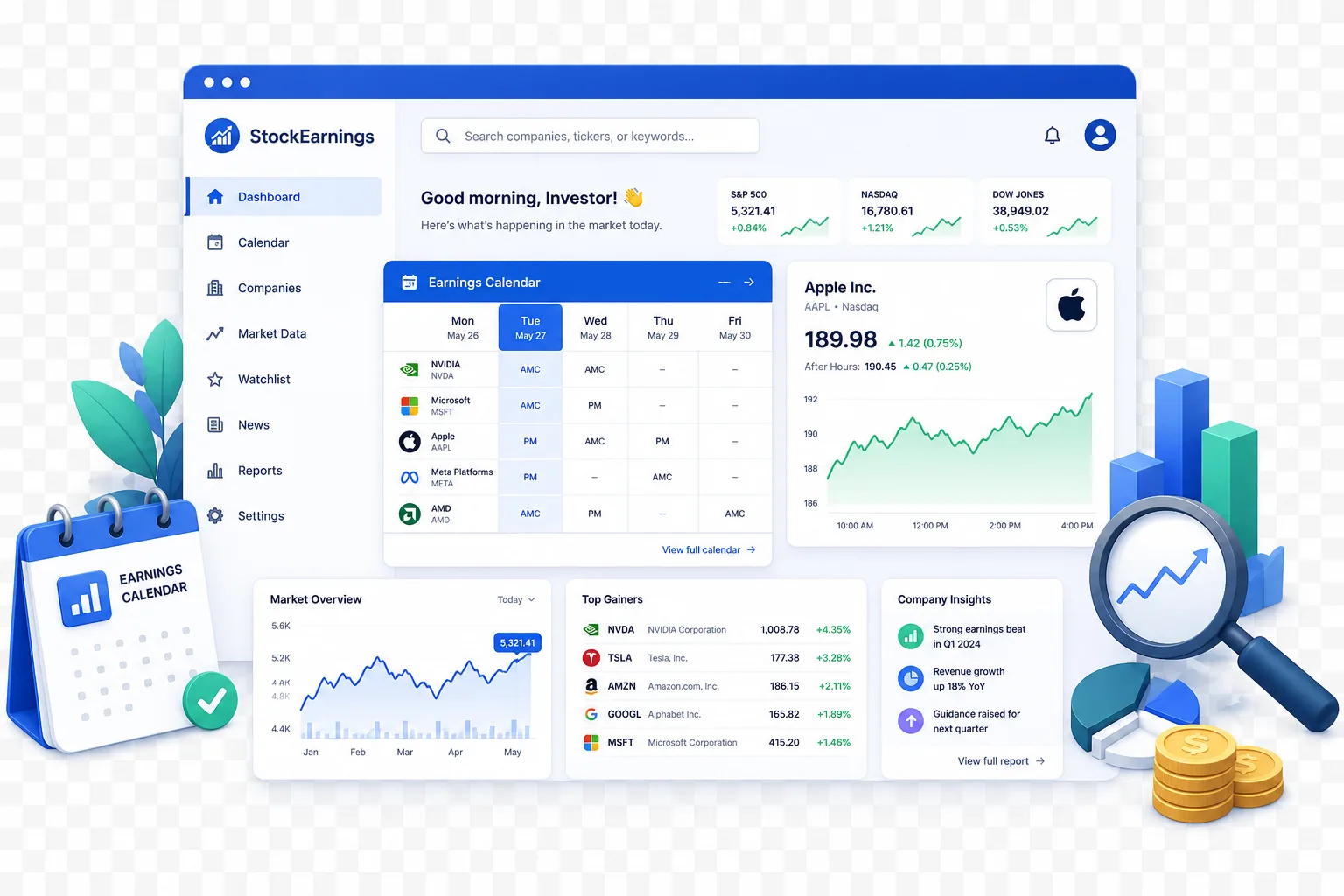
A data-rich financial product that makes market research faster and easier to act on.
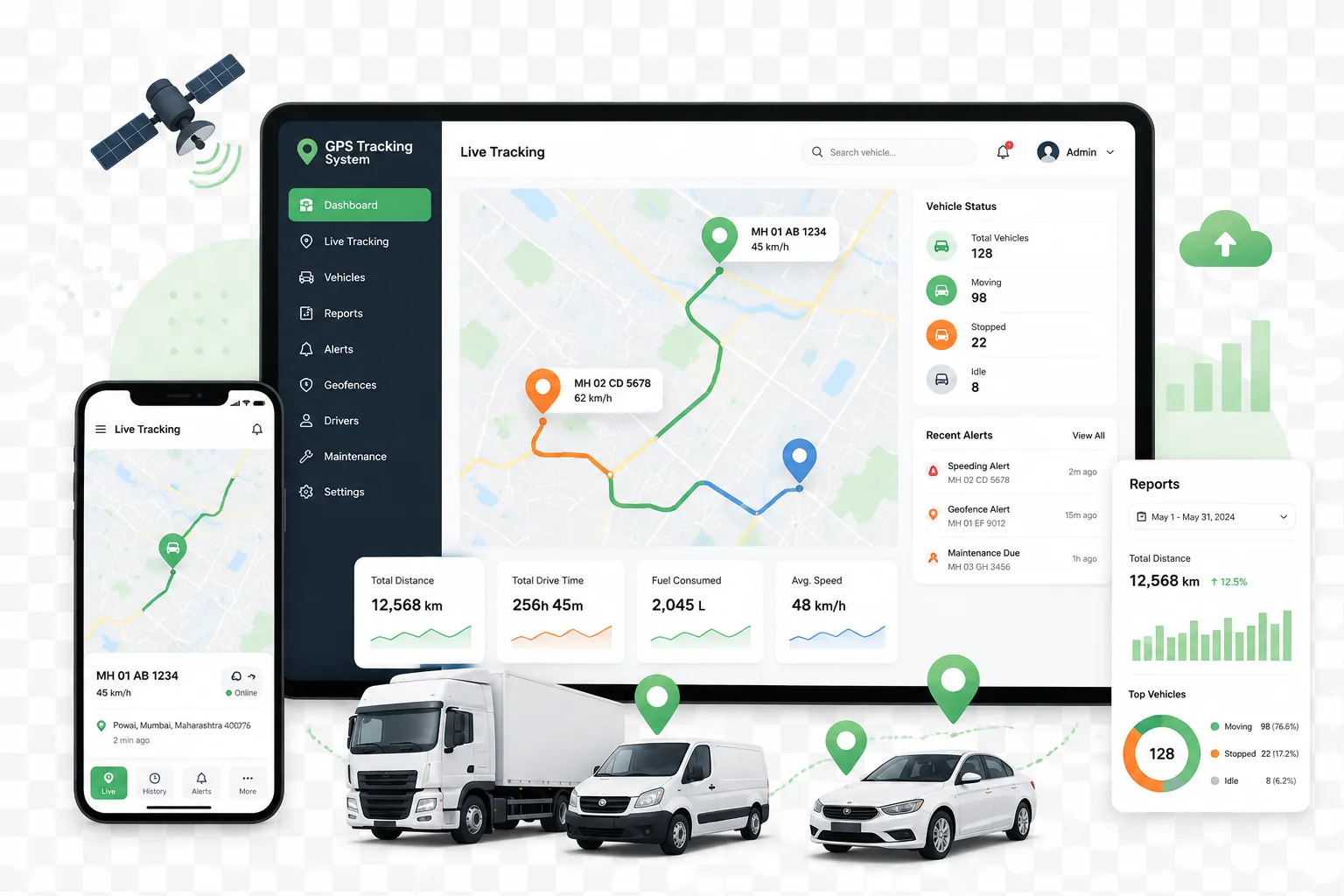
A live operations platform for fleet visibility, reporting, and day-to-day control.
Combine complementary services when the outcome spans product, platform, cloud, automation, or team capability.
We will help define an MVP boundary that includes the operational work required to support a real tenant.