Disconnected workflows
Teams re-enter information or reconcile multiple tools to complete one process.
Turn the workflow that makes your business different into a dependable product your team can operate, measure, and evolve.
Custom development is appropriate when the process differentiates the business, existing tools create costly workarounds, or several disconnected systems must behave as one.
Teams re-enter information or reconcile multiple tools to complete one process.
Generic products cannot express the approvals, pricing, roles, or exceptions that matter.
Legacy platforms, partner APIs, and internal data need a controlled integration layer.
The organization needs ownership of the roadmap rather than dependence on a vendor backlog.
Discovery frames the outcome; design makes the workflow visible; engineering proves it in increments; operational evidence guides growth.
Observe the current process and agree on measurable success.
Define journeys, rules, data boundaries, and integration needs.
Use prototypes and technical spikes to retire important uncertainty.
Release coherent slices for stakeholder and user feedback.
Monitor adoption, reliability, and the next valuable capability.
Product categories organised around the workflow, users, decisions, and information that make the operation distinct.
ERP modules, case management, scheduling, inventory, and workflow systems.
Secure self-service experiences connected to internal operations.
APIs, data synchronization, event processing, and system orchestration.
Dashboards, reporting, alerts, and role-specific operational views.
The right answer often combines both: buy commodity capabilities and build the workflows that create differentiation.
Configure or buy:Standard workflow with limited exceptions
Build custom:Distinct workflow or competitive operating model
Configure or buy:Common connectors are sufficient
Build custom:Deep orchestration across internal and partner systems
Configure or buy:Vendor roadmap is acceptable
Build custom:Business needs direct control over priorities
Configure or buy:Commodity capabilities
Build custom:Differentiating capabilities and complex rules
Clear boundaries let business rules, interfaces, integrations, and data change at different speeds.
Choose a delivery shape that matches how quickly the product is expected to learn and change.
A defined product or release delivered by a cross-functional team.
Persistent capacity for an evolving roadmap and regular releases.
Targeted engineering, architecture, UX, DevOps, or quality expertise.
Stabilization, ownership transfer, enhancement, and operational support.
Examples where business rules, roles, data, and system handoffs need a purpose-built operational model.
Dispatch, tracking, exceptions, maintenance, and customer visibility.
Evidence capture, approvals, audit history, and reporting.
Pricing rules, fulfillment, inventory, returns, and partner integrations.
Intake, scheduling, resource assignment, progress, and billing.
A service team replaces duplicate entry, email approvals, and status chasing with a role-aware workflow connected to its existing finance and customer systems.
Architecture, team capability, hosting constraints, integrations, and expected product change determine the stack.
Practical answers about product scope, ownership, integration, and controlling the first release.
Strong delivery starts with the business constraint, not a preferred tool. We clarify what is slowing growth, increasing risk, or creating unnecessary work before proposing a solution.
Competing requirements make it difficult to define the smallest valuable and defensible next step.
Manual handoffs and fragmented systems slow teams down and make reliable information harder to find.
Legacy constraints, security gaps, and weak release practices turn necessary change into a business concern.
Investment fails to create value when adoption, ownership, support, and measurable outcomes are considered too late.
We translate priorities, users, workflows, integrations, and constraints into a delivery plan that creates value early and remains maintainable as needs evolve.
The engagement is designed to improve outcomes your team can see, measure, and sustain.
Reduce delivery risk with a clear, collaborative custom software development roadmap.
Improve operational efficiency through thoughtful automation and integration.
Create a secure, maintainable foundation that can evolve with the business.
Gain transparent delivery visibility and dependable long-term technical support.
Explore examples of how we turn complex requirements into dependable, usable digital products.
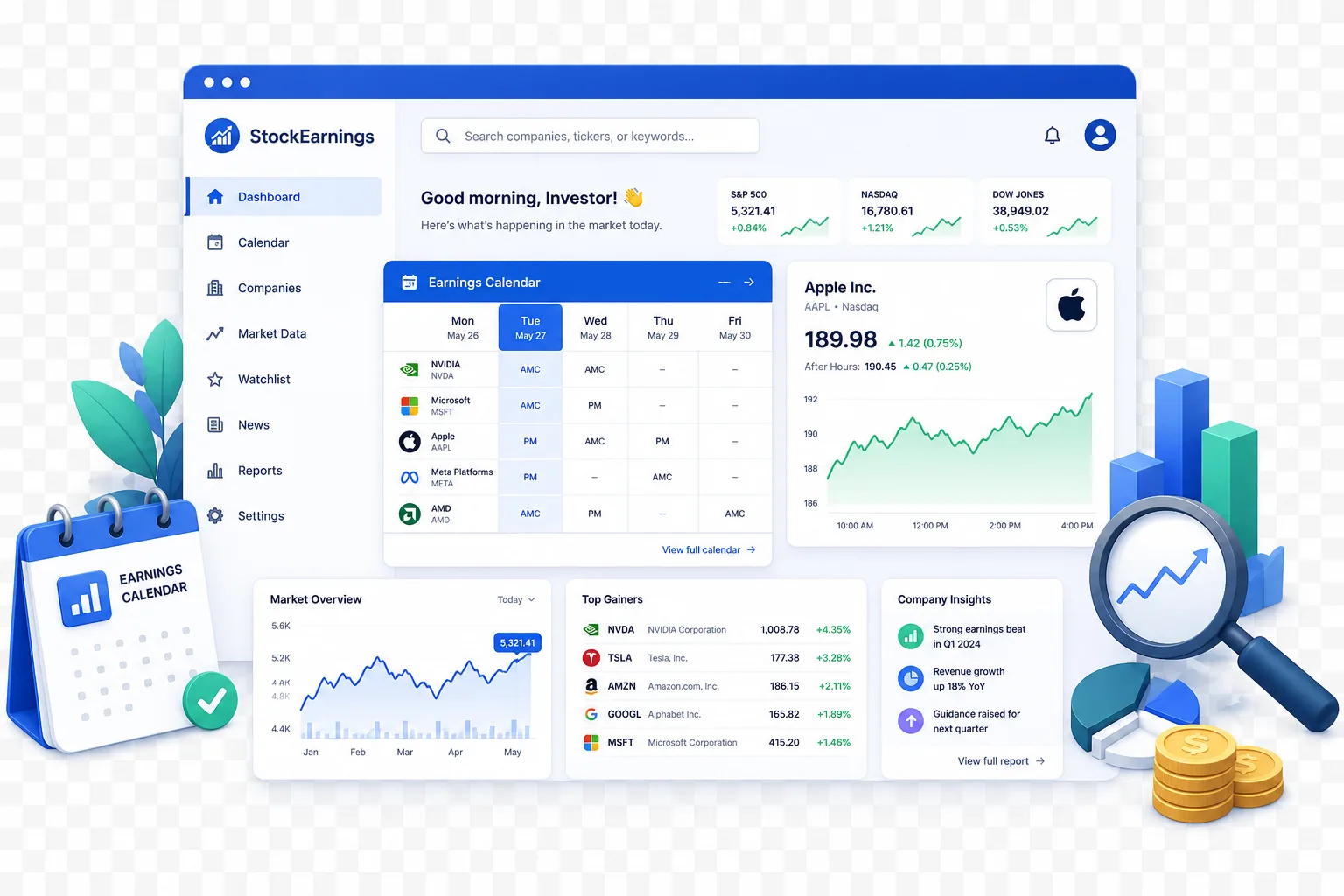
A data-rich financial product that makes market research faster and easier to act on.
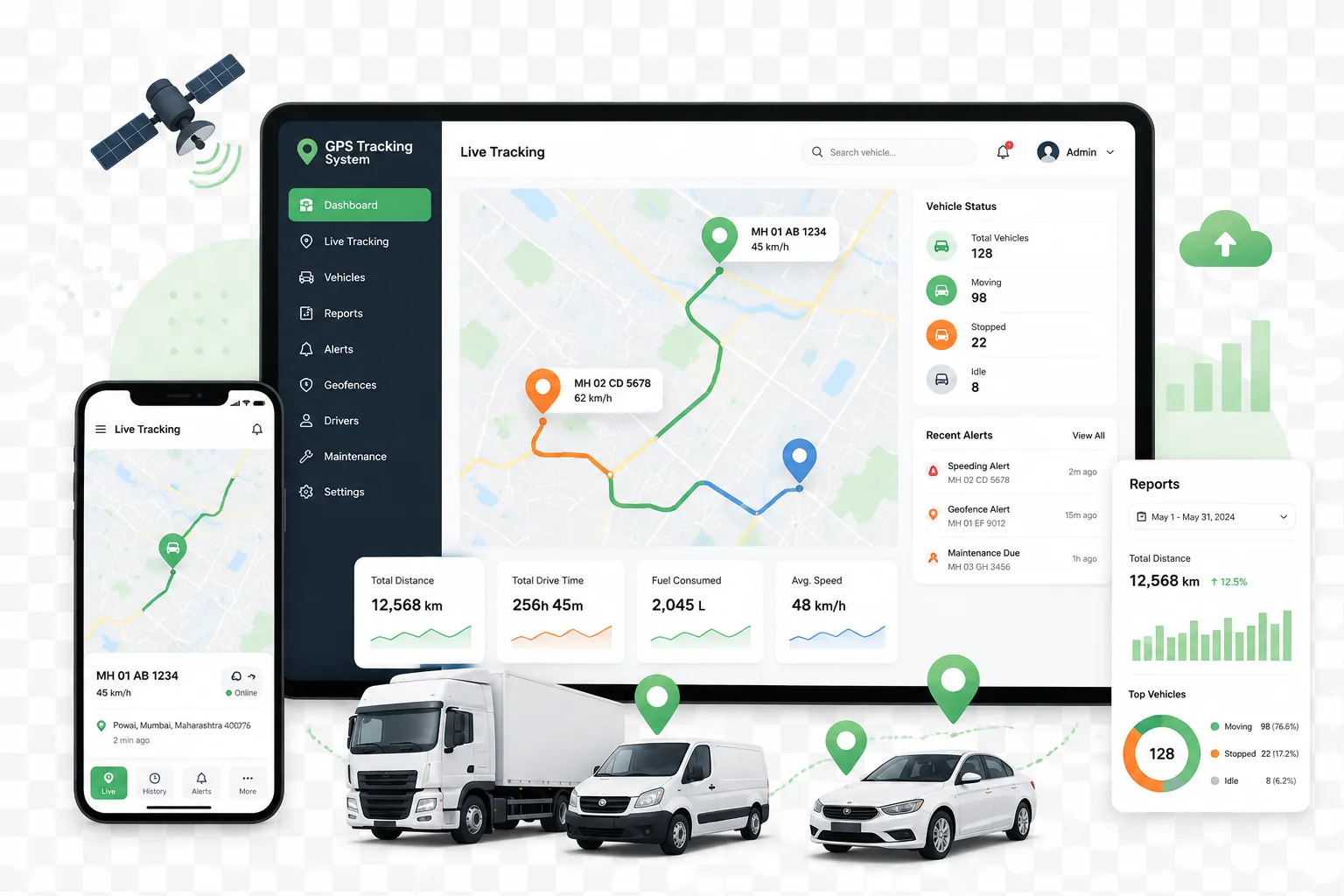
A live operations platform for fleet visibility, reporting, and day-to-day control.
Combine complementary services when the outcome spans product, platform, cloud, automation, or team capability.
Bring the process, workaround, or product idea. We will help identify the smallest valuable system boundary.