Operations workspace
Queues, filters, actions, detail drawers, and live status.
Turn complex product states into predictable components, typed data boundaries, and responsive interactions users can understand.
Products with connected interface state, immediate feedback, and responsive task-heavy workflows.
Queues, filters, actions, detail drawers, and live status.
Structured forms, preview, validation, and publishing.
Saved views, comparison, drill-down, exports, and annotations.
Onboarding, account management, transactions, and support.
Design primitives, feature components, server state, and navigation remain separate enough to evolve safely.
Tokens, typography, spacing, controls, and feedback.
Domain-oriented UI with clear inputs and events.
Fetching, caching, synchronization, invalidation, and errors.
Routing, authorization, navigation state, and product telemetry.
Feature modules coordinate filters, server state, bulk actions, detail views, and feedback while shared primitives preserve interaction consistency.
Predictable boundaries separate visual primitives, feature state, server state, and API contracts.
Treating all state the same creates unnecessary complexity and stale data.
Local/interface state:Open panels, draft input, selection
Server/remote state:Records, permissions, search results
Local/interface state:Current interface session
Server/remote state:Backend service or database
Local/interface state:Component or route
Server/remote state:Fetched, cached, invalidated, synchronized
Local/interface state:Predictable interaction
Server/remote state:Freshness, loading, errors, concurrency
Browser performance and accessible interaction are part of the component contract—not a final optimisation sprint.
Route splitting, dependency review, and avoiding unnecessary client code.
Stable component boundaries and measured rendering improvements.
Keyboard, focus, semantics, labels, error recovery, and reduced motion.
Layouts adapt by workflow priority rather than simply shrinking.
User goals become feature slices; feature slices become reusable patterns with loading, empty, error, permission, and responsive behaviour.
Define user goals, decisions, information, and critical states.
Separate stable design primitives from domain-specific behavior.
Agree typed API shapes, validation, errors, and loading behavior.
Deliver accessible workflows with real data and responsive states.
Review usability, accessibility, bundle behavior, and runtime performance.
The stack supports typed contracts, component testing, server state, accessibility, and measured client performance without unnecessary packages.
Questions about platform fit, maintainable state, accessibility, and integration with established backends.
Strong delivery starts with the business constraint, not a preferred tool. We clarify what is slowing growth, increasing risk, or creating unnecessary work before proposing a solution.
Competing requirements make it difficult to define the smallest valuable and defensible next step.
Manual handoffs and fragmented systems slow teams down and make reliable information harder to find.
Legacy constraints, security gaps, and weak release practices turn necessary change into a business concern.
Investment fails to create value when adoption, ownership, support, and measurable outcomes are considered too late.
We translate priorities, users, workflows, integrations, and constraints into a delivery plan that creates value early and remains maintainable as needs evolve.
The engagement is designed to improve outcomes your team can see, measure, and sustain.
Reduce delivery risk with a clear, collaborative react development roadmap.
Improve operational efficiency through thoughtful automation and integration.
Create a secure, maintainable foundation that can evolve with the business.
Gain transparent delivery visibility and dependable long-term technical support.
Explore examples of how we turn complex requirements into dependable, usable digital products.
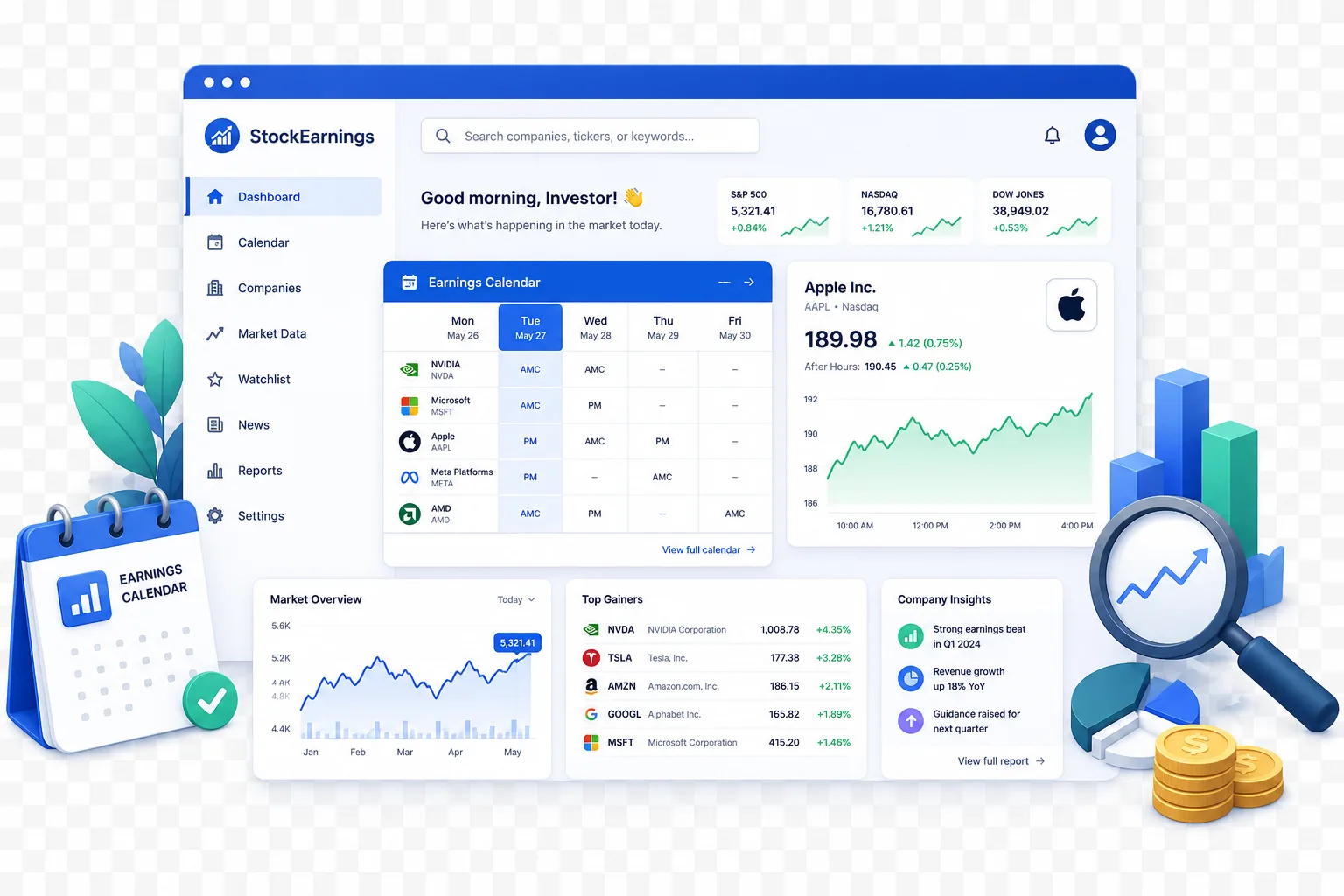
A data-rich financial product that makes market research faster and easier to act on.
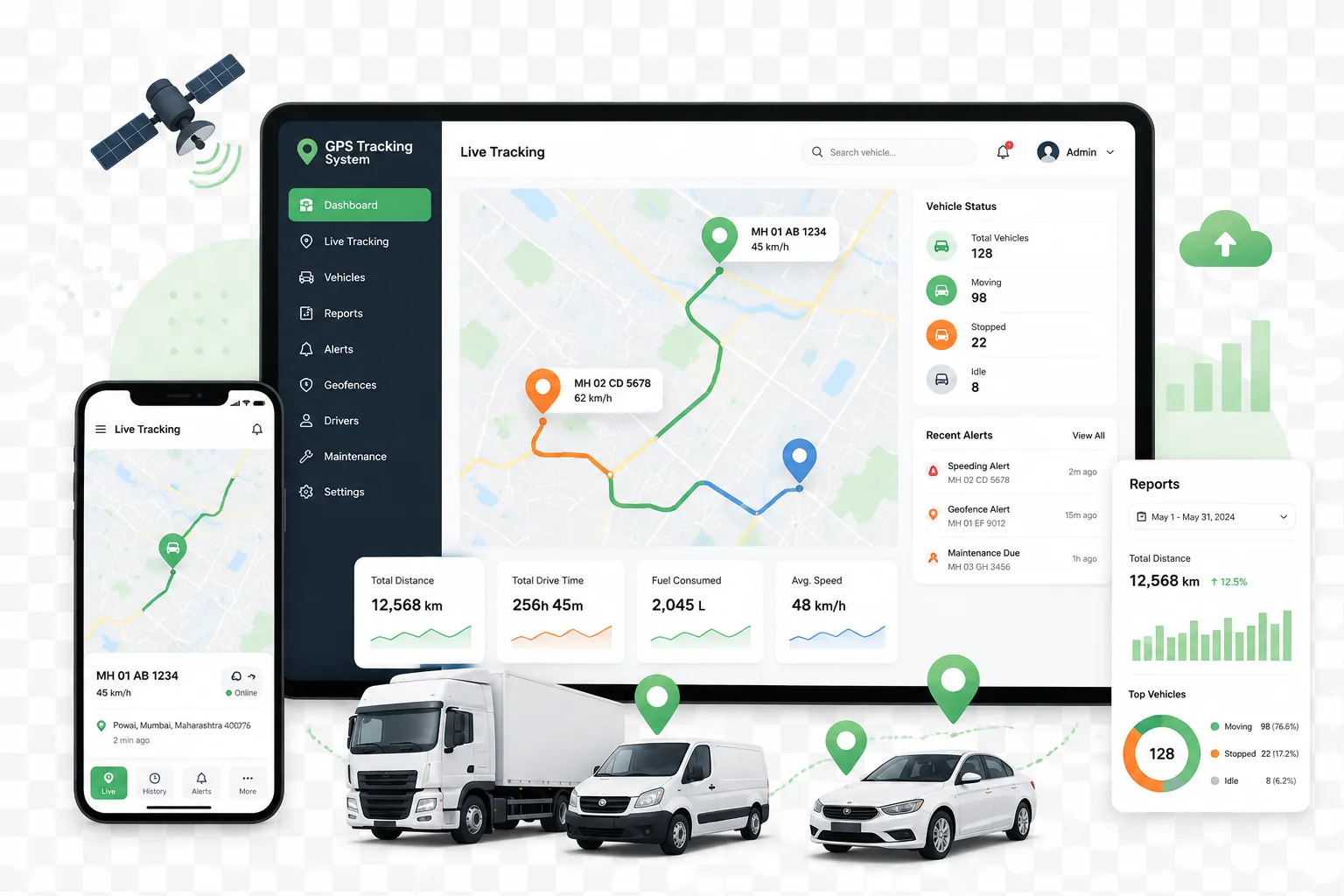
A live operations platform for fleet visibility, reporting, and day-to-day control.
Combine complementary services when the outcome spans product, platform, cloud, automation, or team capability.
Bring the user journeys, data contracts, and interaction complexity. We will frame a maintainable frontend architecture.