Knowledge concentration
Critical behavior is understood by too few people or only through production experience.
Expose hidden dependencies, protect valuable business rules, and replace constraints through controlled coexistence rather than a risky big-bang rewrite.
A legacy system may still contain critical business knowledge. The first task is to distinguish urgent operational risk from inconvenience, and valuable rules from accidental complexity.
Critical behavior is understood by too few people or only through production experience.
Frameworks, operating systems, libraries, or databases constrain security and change.
Manual deployment and weak test coverage make even small changes expensive.
Data, jobs, reports, and integrations depend on undocumented behavior.
Different parts of one estate can take different paths. The right treatment follows business value, support risk, coupling, and migration evidence.
Move the workload with minimal application change when infrastructure is the immediate constraint.
Adopt managed runtime or data services without reshaping the whole domain.
Improve selected boundaries, testability, performance, or operability.
Create a new capability when the current model cannot support required workflows.
Different application areas can use different modernization treatments.
Lower application change:Fast infrastructure move
Greater application change:Existing application constraints remain
Lower application change:Managed platform benefits
Greater application change:Moderate runtime and operational change
Lower application change:Improved maintainability and operability
Greater application change:Requires deeper code understanding
Lower application change:New product and architecture model
Greater application change:Highest discovery, migration, and adoption demand
A compatibility API protects existing integrations while a new role-based experience and extracted capability run alongside the legacy core.
Inventory and risk shape the target. Compatibility seams keep operations running. Reconciliation and observability make each migration step provable.
Map applications, jobs, data stores, users, integrations, and operational procedures.
Prioritize business criticality, change demand, support risk, and migration complexity.
Introduce APIs, adapters, or event capture around a bounded capability.
Move workflows and data with reconciliation, coexistence, and rollback plans.
Confirm users, reports, integrations, records, and support procedures before shutdown.
The target state matters, but the temporary coexistence architecture is what keeps daily operations safe during change.
Coexistence, reconciliation, rollback, and observability protect daily work while the platform changes.
Old and new capabilities exchange data through controlled contracts.
Counts, totals, states, and exceptions are compared during migration.
Release and data-change steps define safe recovery points.
Logs, traces, health, audit, and business checks expose transition issues.
Bounded capabilities that can reduce risk or unlock change without requiring the entire estate to move at once.
Move read-heavy reporting away from the transaction system.
Add a modern portal around stable legacy capabilities.
Replace direct database coupling with governed service contracts.
Extract the area where business demand most often collides with legacy constraints.
The transition architecture must support coexistence, migration, reconciliation, and rollback as deliberately as the target state.
Answers about rewrites, coexistence, hidden dependencies, data validation, and safe retirement.
Strong delivery starts with the business constraint, not a preferred tool. We clarify what is slowing growth, increasing risk, or creating unnecessary work before proposing a solution.
Competing requirements make it difficult to define the smallest valuable and defensible next step.
Manual handoffs and fragmented systems slow teams down and make reliable information harder to find.
Legacy constraints, security gaps, and weak release practices turn necessary change into a business concern.
Investment fails to create value when adoption, ownership, support, and measurable outcomes are considered too late.
We translate priorities, users, workflows, integrations, and constraints into a delivery plan that creates value early and remains maintainable as needs evolve.
The engagement is designed to improve outcomes your team can see, measure, and sustain.
Reduce delivery risk with a clear, collaborative legacy system modernization roadmap.
Improve operational efficiency through thoughtful automation and integration.
Create a secure, maintainable foundation that can evolve with the business.
Gain transparent delivery visibility and dependable long-term technical support.
Explore examples of how we turn complex requirements into dependable, usable digital products.
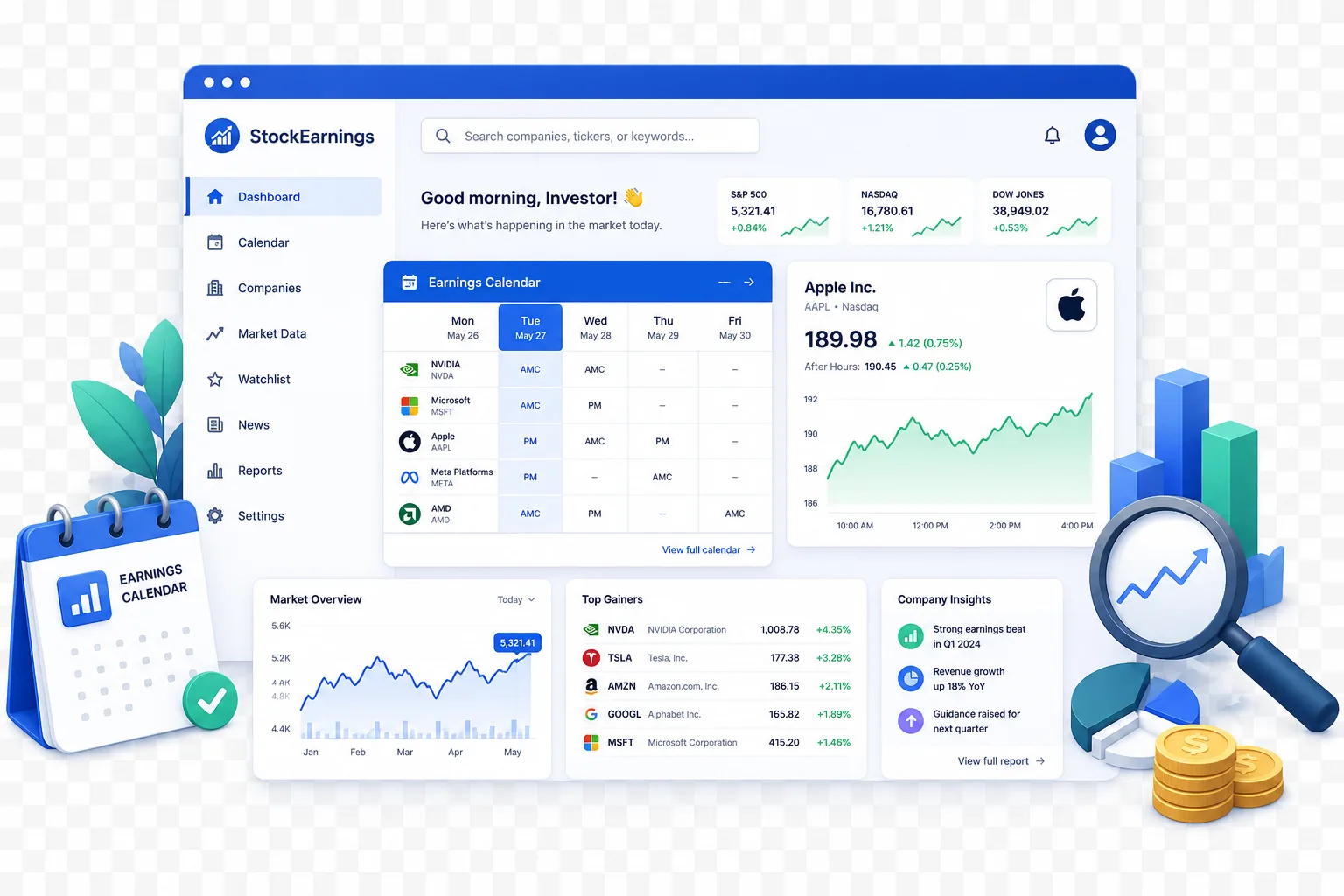
A data-rich financial product that makes market research faster and easier to act on.
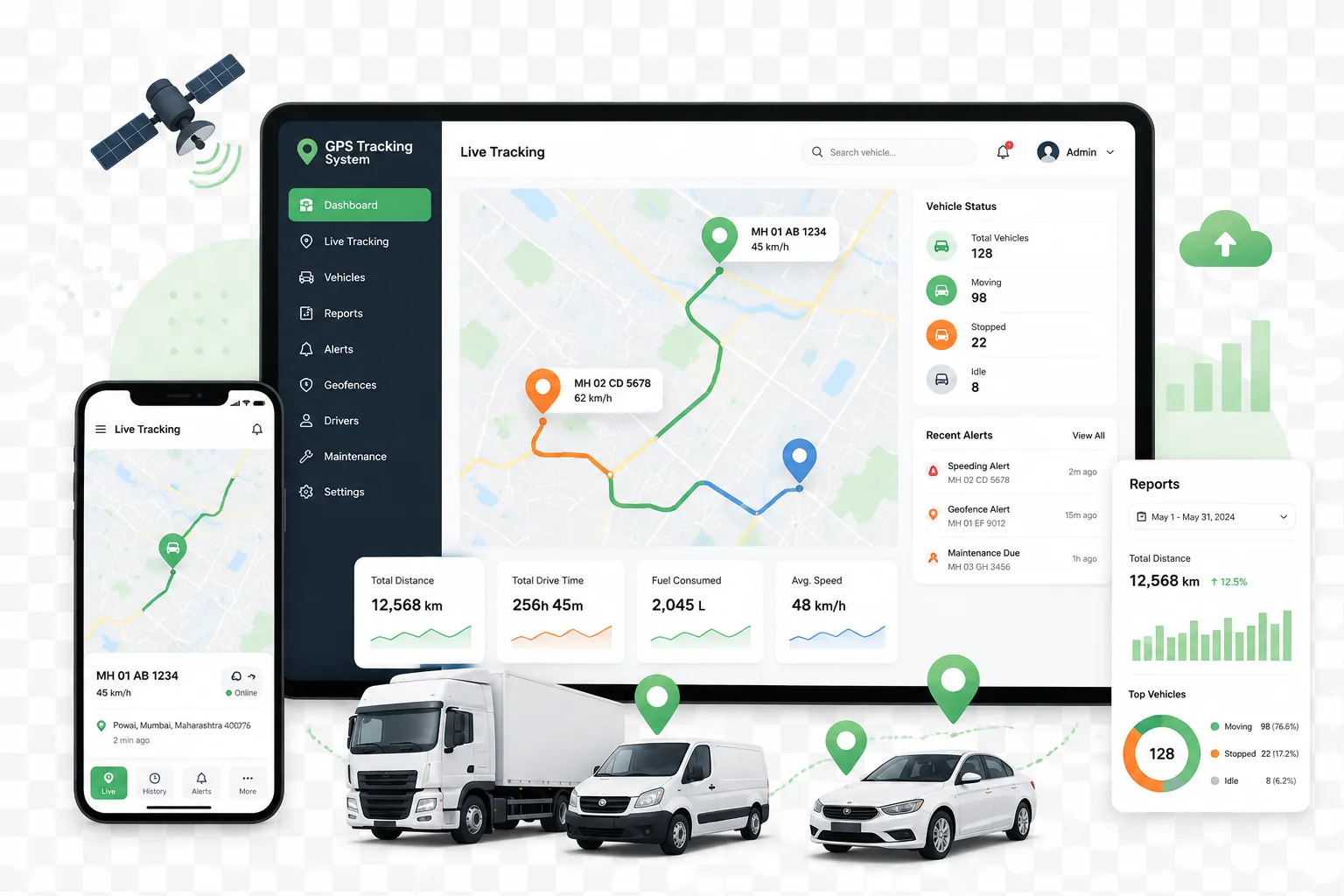
A live operations platform for fleet visibility, reporting, and day-to-day control.
Combine complementary services when the outcome spans product, platform, cloud, automation, or team capability.
Bring the system context, support pain, and change backlog. We will identify a safe first seam.