Client product owner
Owns priorities, user outcomes, acceptance, and business decisions.
Add accountable engineers who learn the domain, work directly with product and technology leaders, own outcomes beyond tickets, and improve delivery as the relationship matures.
Experienced engineers embedded with your team and accountable for consistent delivery.
Dedicated developers create the most value when they are treated as a stable part of the product organisation, with access to users, domain context, technical decisions, delivery evidence, and clear ownership.
We assemble the role mix around the product stage and existing team. Engineers integrate into the agreed operating rhythm while NY Infotech provides technical stewardship, continuity planning, and delivery support.
The pod composition changes deliberately as discovery, delivery, scale, modernisation, or support needs evolve.
Full-stack delivery across .NET, web, mobile, APIs, data, and integration.
Discovery, UX, interface systems, accessibility, and validation support.
Test strategy, automation, security, release, observability, and support readiness.
Architecture, prioritisation, standards, risk, mentoring, and decision facilitation.
The engagement should make priorities, progress, decisions, quality, risk, and ownership visible to both teams.
Direct working contact for questions, pairing, blockers, and shared context.
Backlog, work in progress, reviews, dependencies, and risks remain transparent.
Working software and technical evidence drive feedback and acceptance.
Capacity, flow, quality, continuity, product outcomes, and improvement actions.
Onboarding is planned around contribution, context, access, relationships, and an early outcome—not only account creation.
Map outcomes, roadmap, current team, architecture, ways of working, constraints, and gaps.
Define roles, seniority, responsibilities, overlap, governance, and success measures.
Review relevant experience, assess fit, and agree working expectations with key collaborators.
Provide access, domain and system context, pairing, standards, and a meaningful first delivery slice.
Review flow, quality, capability, continuity, product demand, and team composition.
Technology labels guide role selection, while domain context, product stage, seniority, quality, and operational ownership determine the complete pod.
Straightforward answers about fit, ownership, communication, onboarding, continuity, and how the engagement can evolve.
Industry workflows, regulation, users, data, integrations, and support expectations shape the capability and seniority required.
Strong delivery starts with the business constraint, not a preferred tool. We clarify what is slowing growth, increasing risk, or creating unnecessary work before proposing a solution.
Competing requirements make it difficult to define the smallest valuable and defensible next step.
Manual handoffs and fragmented systems slow teams down and make reliable information harder to find.
Legacy constraints, security gaps, and weak release practices turn necessary change into a business concern.
Investment fails to create value when adoption, ownership, support, and measurable outcomes are considered too late.
We translate priorities, users, workflows, integrations, and constraints into a delivery plan that creates value early and remains maintainable as needs evolve.
The engagement is designed to improve outcomes your team can see, measure, and sustain.
Reduce delivery risk with a clear, collaborative dedicated developers roadmap.
Improve operational efficiency through thoughtful automation and integration.
Create a secure, maintainable foundation that can evolve with the business.
Gain transparent delivery visibility and dependable long-term technical support.
Explore examples of how we turn complex requirements into dependable, usable digital products.
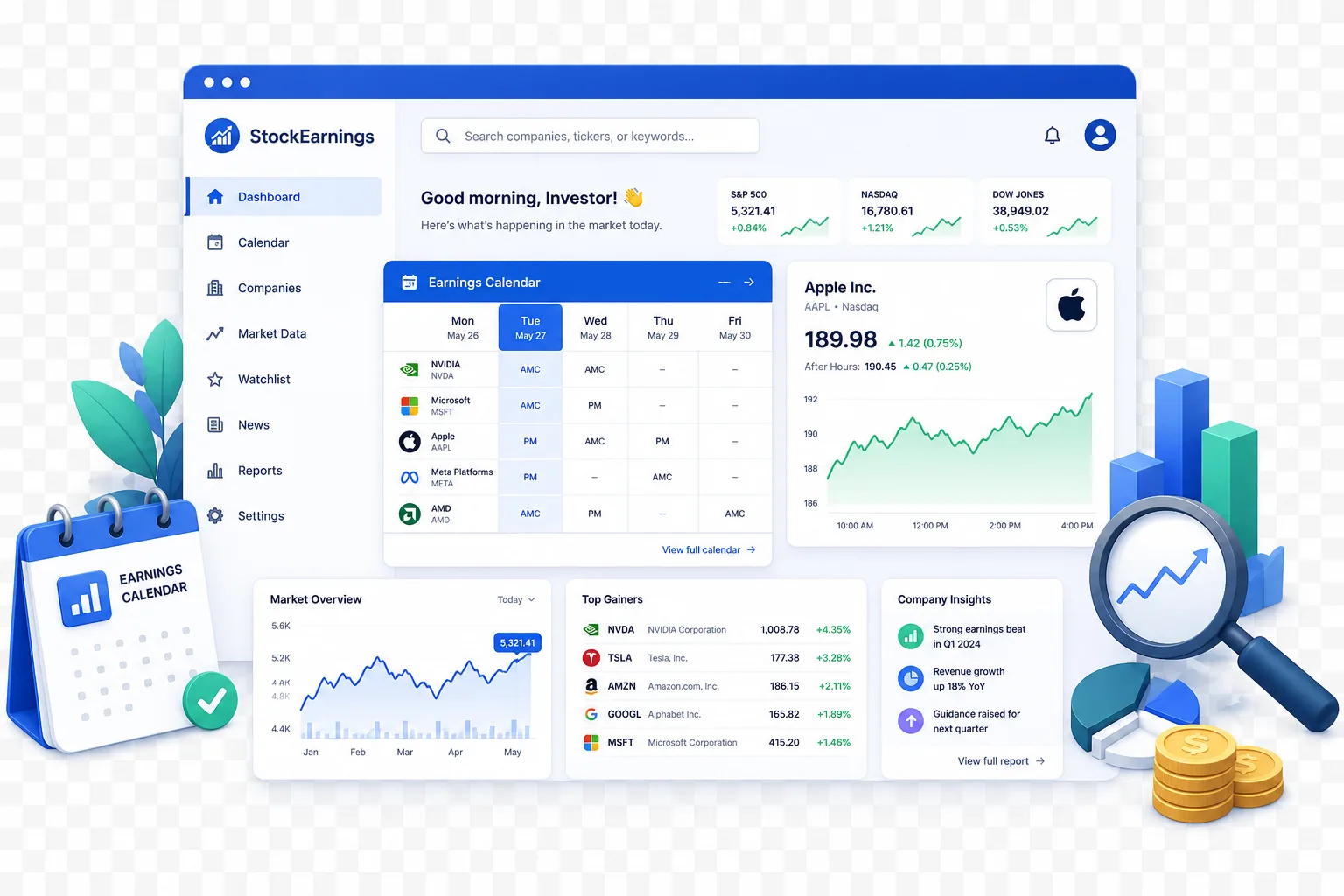
A data-rich financial product that makes market research faster and easier to act on.
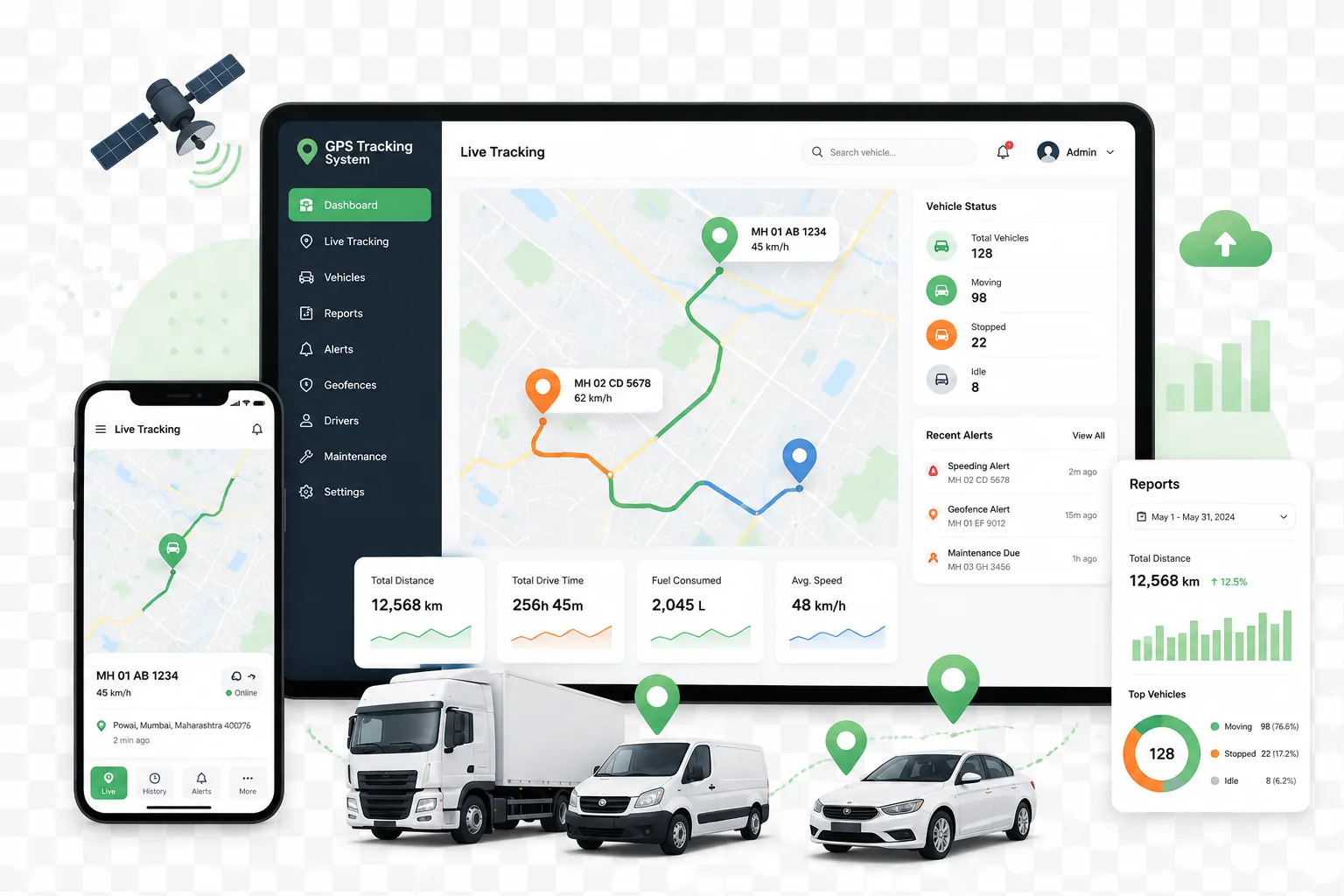
A live operations platform for fleet visibility, reporting, and day-to-day control.
Combine complementary services when the outcome spans product, platform, cloud, automation, or team capability.
Bring the roadmap, current team shape, technical context, collaboration model, and capability gaps. We will propose a proportionate pod.